The godfather of grunge, unbowed — ragged glory guitar and a songbook that spans half a century of American unease.
Glastonbury 2027 Lineup
Five nights at Worthy Farm, over 100 stages and more than 4,000 performances, returning after the 2026 fallow year. Lineup TBA.
The 2027 lineup hasn't dropped yet — below is the full 2025 bill to explore in the meantime.
Tickets go on sale October 4 at 9:00 AM.
Find the acts you'll love at Glastonbury
Name a few bands you love and we'll scout all 113 acts on the Glastonbury bill for the ones you shouldn't miss.
Get notified the moment the 2027 lineup drops
Free account — we'll email you the day it happens, and your saved festivals follow you to every device.
About Glastonbury 2025
Glastonbury 2025 was Worthy Farm's last dance before the fallow year: five June days in Somerset with The 1975, Neil Young and Olivia Rodrigo headlining the Pyramid Stage on Friday, Saturday and Sunday, and Rod Stewart taking the Sunday-afternoon legends slot.
As ever, the top of the Pyramid was maybe a third of the story. Pulp's surprise return and Lorde's unannounced Woodsies set were the weekend's worst-kept secrets; Charli XCX brought the brat era to the Other Stage and The Prodigy closed it; Doechii and Overmono held down West Holts; and the undercard ran from Turnstile and Wolf Alice to Burning Spear, Kae Tempest and En Vogue. A hundred stages' worth of everything, of which the 113 acts here are the spine.
There is no Glastonbury in 2026 (the farm rests on its scheduled fallow year), which makes this bill the freshest record of what the festival is until 2027.
Expect alternative, pop, rock and alt-rock across 113 acts.
Glastonbury 2025 lineup: all 113 acts
Search it, filter by day, stage or genre. Save anything straight to your schedule.Browse all 113 acts →
Search it, filter by day, stage or genre. Save anything straight to your schedule.
Gen-Z's laureate of the breakup — SOUR bedroom confessionals grown into GUTS pop-punk stadium catharsis.
Manchester's self-aware pop provocateurs — 80s gloss, terminally online lyrics, and a frontman who treats every show like performance art.
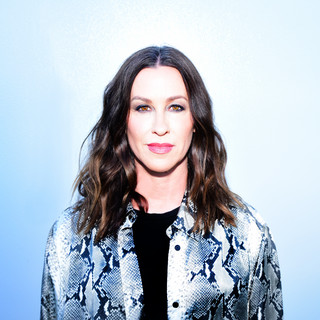
Jagged Little Pill at festival scale — the '90s' most cathartic songbook, still sung full-throated by everyone in the field.

Amy Taylor might be the best frontperson alive right now — Aussie pub-punk voltage, all sprint and snarl, from a band that treats every stage like a title fight.
Anohni and the Johnsons
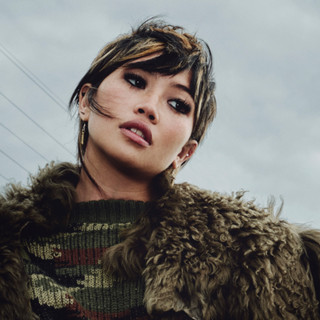
Fuzzy '90s-leaning indie-pop grown into lush, easy songcraft — from bedroom demos to Rick Rubin sessions without losing the diary-page intimacy.
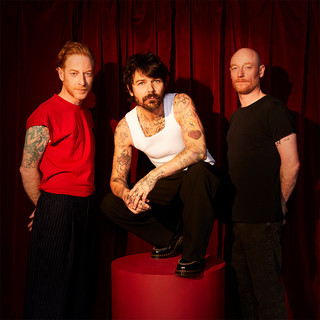
Scotland's shirtless festival warriors — knotty math-rock instincts wired to enormous singalong choruses.
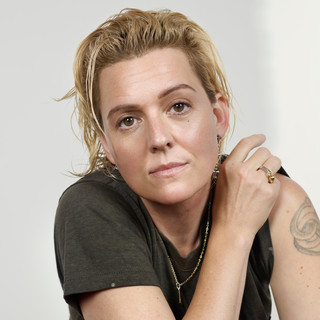
Americana's reigning voice — eleven Grammys of thunder and grace, with a catalog that moves from whisper to belt like weather changing.

Roots reggae's living conscience — Marcus Garvey hymns delivered with unshakeable calm.
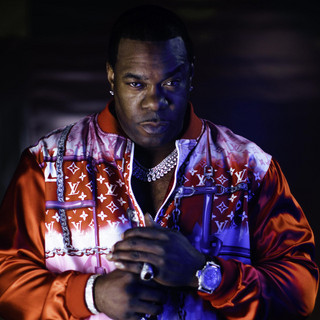
Three decades of the fastest, most physically committed delivery in rap, and none of it has slowed down — a hits catalog that turns any field into a block party.
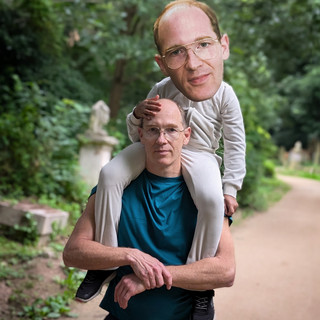
Dan Snaith's dancefloor-facing project, mathematician's precision applied to warm, looping house built from chopped vocals and live drums.
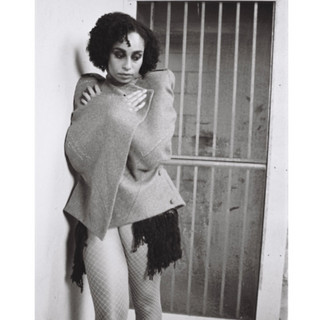
Smoke-voiced British soul — torch songs with modern nerve, a BRIT-anointed voice built for the spotlight and the string section.
Pop's reigning vanguardist — the brat era's architect bringing club-pop chaos to the main stage, a decade of underground experiments finally cashing out at scale.
Irish country-pop with a wicked sense of humor and a bigger voice — a riotous live show that swings from comedy to gut-punch inside one chorus.
Switches cadence mid-bar like she's changing characters — theatrical, technically ferocious rap that never sits still long enough to be filed.
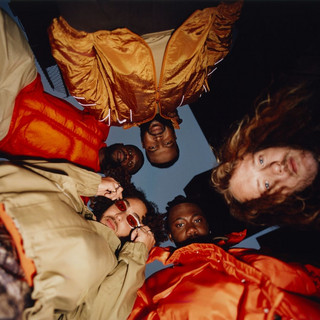
London jazz as a party rather than a seminar — Afrobeat and dancehall pulling the horns along, and a drummer who conducts the room from behind the kit.
Kieran Hebden's glowing folk-tronic universe — patient builds that hit like revelation, two decades of textures that make dance music feel handmade.
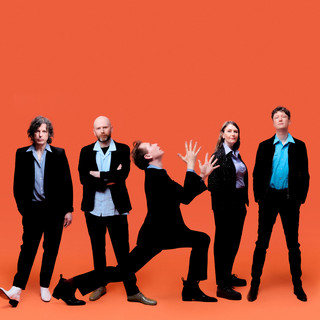
Glasgow's art-school dance-punks — 'Take Me Out' still detonates a field two decades on, and the deep cuts still make people dance.
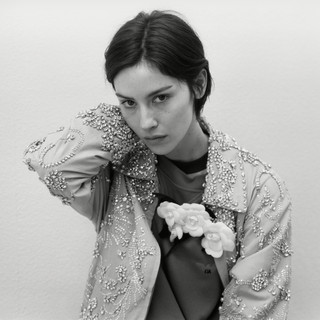
Diaristic songwriting that moved from hushed bedroom recordings to full-band arrangements without losing the whispered intimacy at its core.
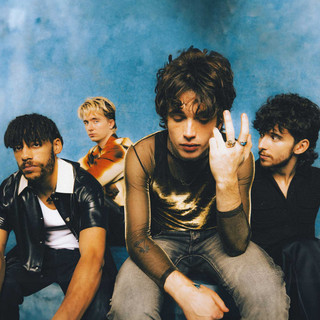
Dublin four-piece trading in big-reverb guitar hooks and baritone vocals, closer to eighties post-punk radio than the Britpop revival they get filed with.
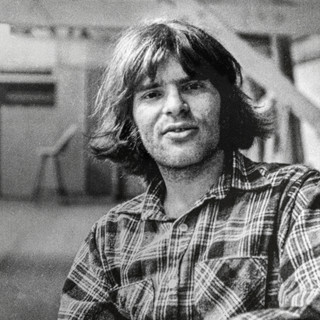
The voice of Creedence — swamp-rock standards that never left the radio, sung by the man who wrote them.
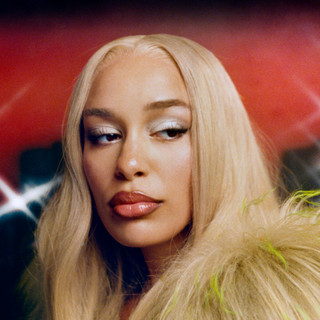
Walsall's great modern soul voice — restrained, jazz-schooled, and equally at home over a garage beat, 'Blue Lights' still stunning.
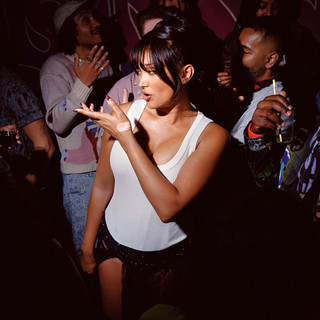
South London songwriter of Bangladeshi-Irish heritage whose debut 'Skin' set sharp, sometimes uncomfortable self-portraits against lush retro-soul arrangements.
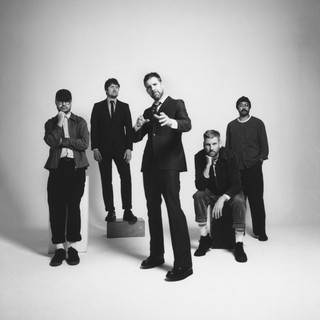
'I Predict a Riot' still starts one — Leeds lads keeping mid-2000s indie's terrace-chant energy alive.
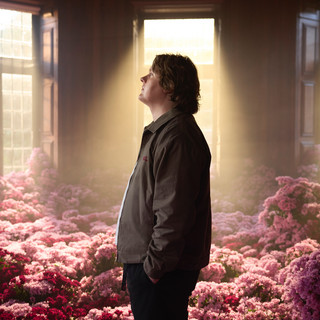
Scotland's self-deprecating balladeer — arena-filling heartbreak delivered between stand-up-quality banter.
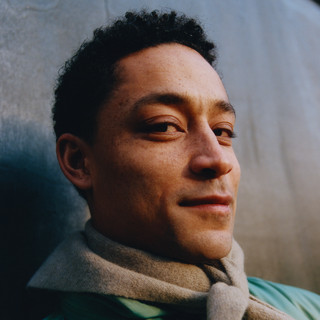
Confessional South London hip-hop — jazz-warm, tender, and quietly huge, verses about family and flaws delivered like conversation.
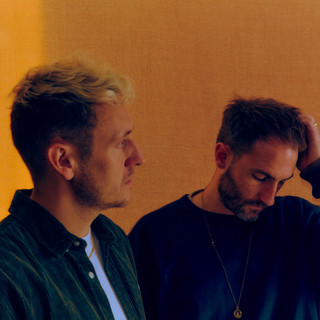
Warm, live-instrument house that leans soul rather than club — the kind of set that works equally well at golden hour and at three in the morning.
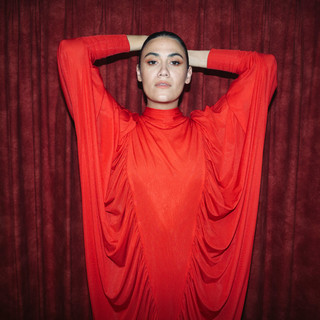
Tyneside songwriter with a deep, dry contralto and a sharp political eye, working post-punk textures into art-rock — the Mercury-nominated 'Holiday Destination' made the case.
The most sampled guitar in history — 'Good Times' to 'Get Lucky', a nonstop masterclass in why disco never died.
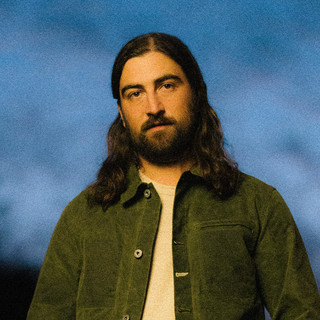
New England folk-pop about small towns and staying put, delivered with the kind of full-throated chorus that turns an amphitheatre into a choir.
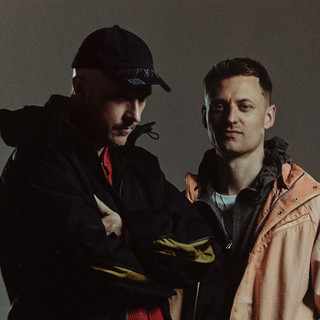
Welsh brothers making the decade's defining UK bass — tender vocals over hard breaks, 'So U Kno' still a shared euphoria.
Jarvis Cocker's common people, still uncommon — Britpop's sharpest wit in glorious late-era form, 'Common People' still detonating class rage.
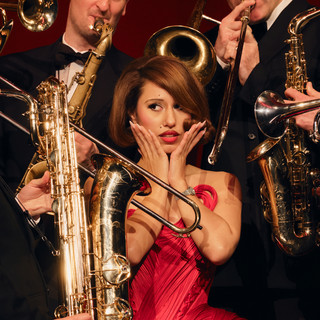
Britain's Grammy-and-BRIT-sweeping songwriter freed from label limbo — big-band soul-pop with real stakes, and a live show that earns every award.
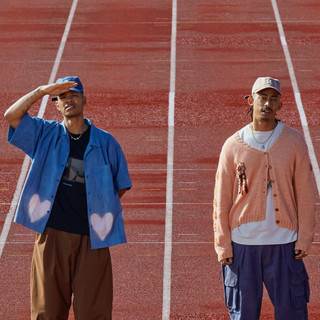
Brighton duo of Jordan Stephens and Harley Alexander-Sule, whose brass-happy, wisecracking pop-rap was inescapable on UK radio in the early 2010s.
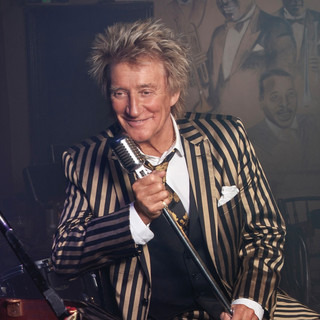
Six decades of gravel and swagger — from the Faces to the Great American Songbook, still rock's raspiest showman.
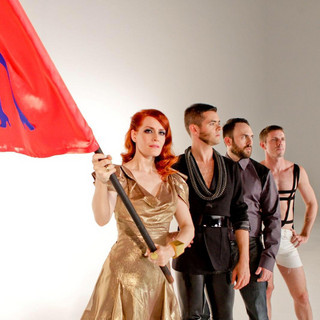
New York glam-disco troupe fronted by Jake Shears and Ana Matronic, whose falsetto hooks and cabaret theatrics turned 'I Don't Feel Like Dancin'' into a global staple.
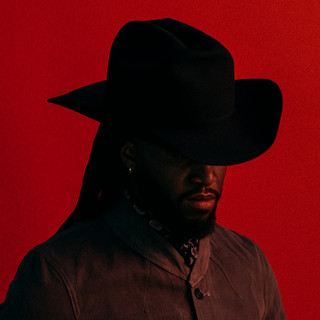
'A Bar Song (Tipsy)' made him the crossover story of the decade — country hooks over hip-hop bones.
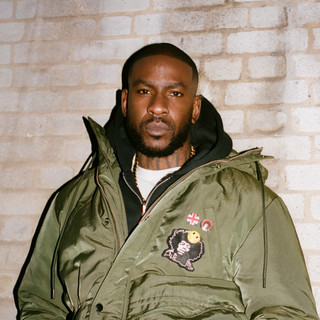
Grime's global ambassador — Konnichiwa-era bars and a DJ's instincts, London energy at any scale, 'Shutdown' still a detonation.
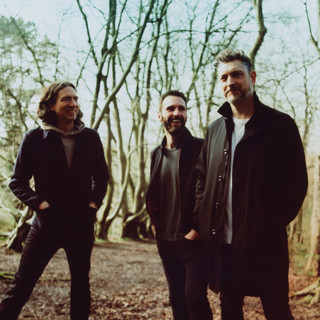
Gary Lightbody's band, together since the mid-nineties and long past needing to prove the big chorus — slow-build alt-rock that became a stadium language.
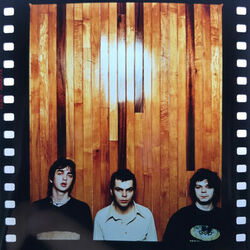
Britpop's cheekiest survivors — 'Alright' forever young, the catalog sneakily one of the era's best.
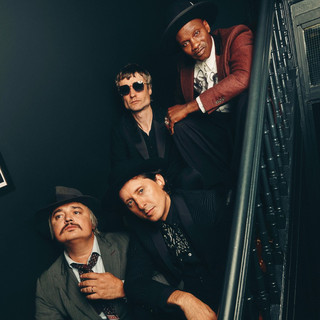
Albion's prodigal poets — Doherty and Barât still shambolic, still romantic, still the best bad idea British rock ever had.
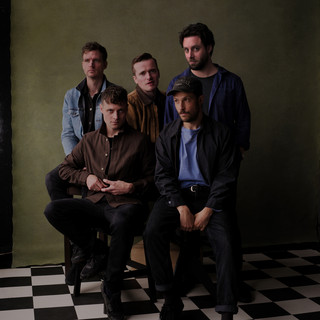
Reunited South London five-piece whose thirteen-year run moved from nervy, chiming guitar songs to something far grander and more communal.
Firestarters, still — the UK's rave-punk institution hits harder than bands half their age, three decades of menace intact.
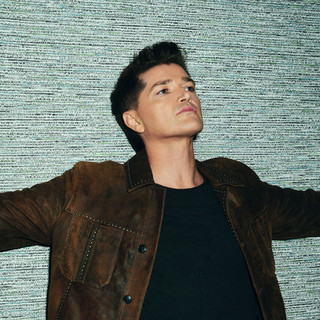
Dublin's arena-pop reliables — 'Breakeven' and a decade of radio-rock comfort food.
2 Tone originals — Pauline Black fronting ska's sharpest political dance party since 1979.
Hardcore's joyful crossover kings — dreamy interludes, stage dives, total communion, and a crowd that moves as one.
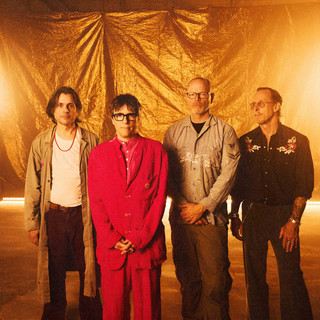
Rivers Cuomo's long-running power-pop institution, still balancing crunching guitars against sweetly miserable melodies — three decades of hooks and sweaters.

Deadpan, hook-loaded post-punk — the Isle of Wight duo grown into a full-blast rock band, 'Chaise Longue' just the opening joke.
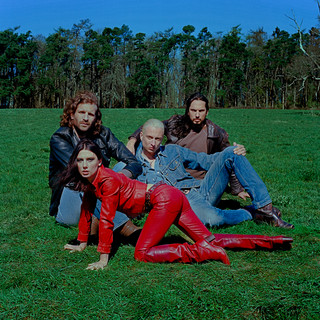
Mercury-winning UK alt-rock — from whispered folk to full-throated fuzz in one set, Ellie Rowsell commanding every register.
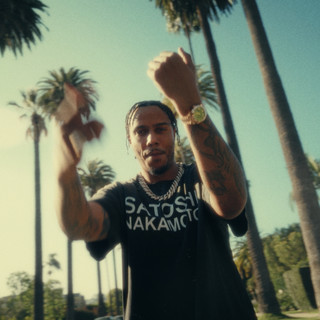
West London grime star gone festival-sized — melodic flexes, 'Ladbroke Grove' garage bounce, and a UK-rap versatility that moves between road and radio without strain.
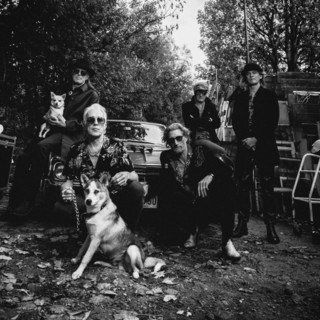
Brixton outfit splicing acid house with country, gospel and blues into their own self-styled hybrid — the band behind the song that opens every episode of The Sopranos.
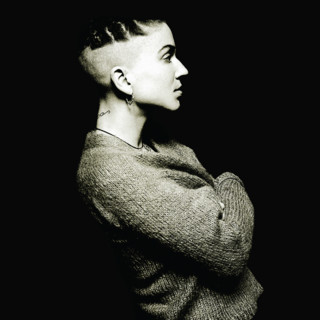
Righteous Babe founder who built a career on her own label rather than anyone else's terms — percussive open-tuned guitar and unsparing political folk.
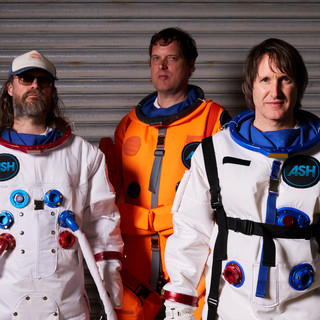
Northern Irish power-pop with an absurd hit rate in the late 90s and no interest in slowing the tempo since.
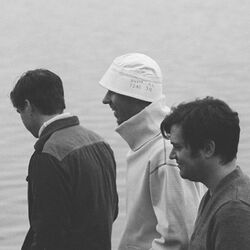
BADBADNOTGOOD
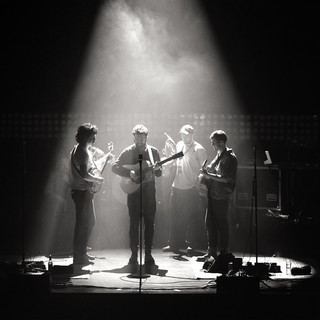
British folk-rock project that has gradually traded banjos for warm, expansive synth textures — hushed harmonies and slow-building emotional payoffs.
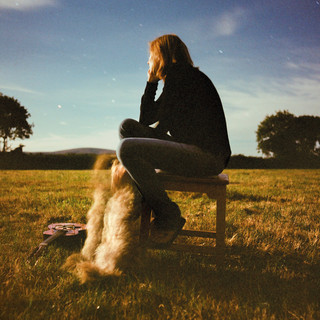
The voice of Portishead, whose solo work leaves trip-hop behind for stark folk and orchestral arrangement — one of British music's most singular singers.
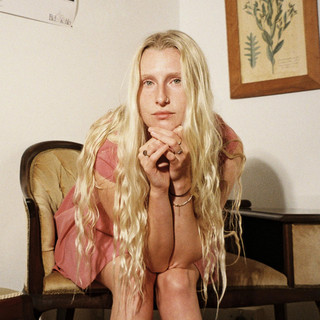
Hushed English folk with a river-water voice — quietly one of the best writers of her generation, turning small domestic details into devastating songs.
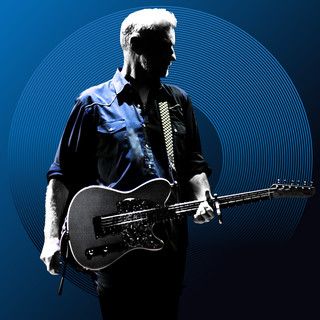
Barking's electric troubadour, welding trade-union politics to love songs since the early eighties — a solo voice, a loud guitar and no interest in separating the two.
Seven-piece from the Cambridgeshire scene turning klezmer-tinged chamber arrangements into something cathartic — now built around shared, passed-around vocals.
Jamaican roots harmony group active since the early seventies, whose militant vocal trio format and heavy dub foundation shaped reggae's international breakthrough.
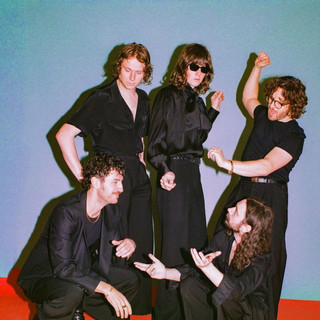
Stockport five-piece who turned synth-lined indie-pop into a run of UK number-one albums — melodic, unhurried, and impossible to leave a field before.
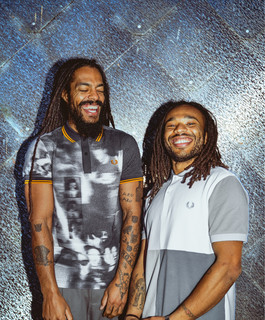
British two-piece welding punk guitar to grime cadence, drums and vocals and nothing spare — blunt writing on race, class and Britain, delivered at volume.
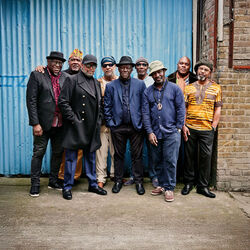
Cymande
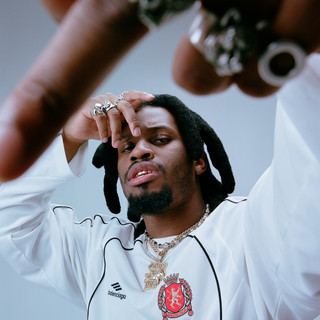
Carol City rapper with a voice built for volume, swerving between hardcore aggression and genuine introspection while reshaping his sound album to album.
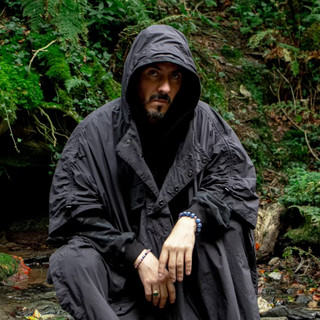
Multi-instrumentalist and film composer working in dark, texture-heavy electronic rock — a songwriter with an unavoidable surname and his own set of ideas.

En Vogue
Leeds art-rock that won the Mercury Prize with its debut — wry, literate songs that change shape mid-verse.
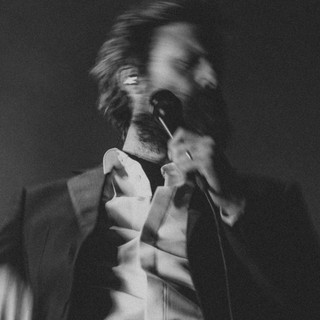
Josh Tillman's lounge-lizard prophet act — gorgeous orchestration, acid wit, and a crooner's delivery that sells every barbed line.
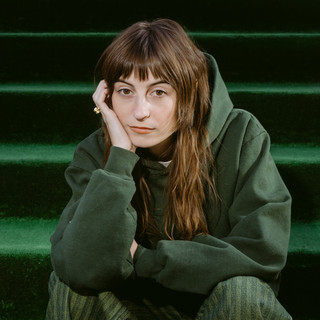
Pedal steel and yacht-rock chords under deadpan songwriting about being slightly bored and very sad — Atlanta cool that turned ennui into a signature sound.
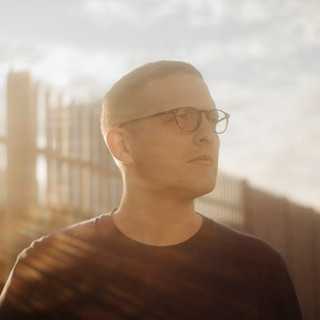
Neuroscientist-turned-producer moving between orchestral ambient and genuinely propulsive dance floors — equally at home with Pharoah Sanders and a peak-time rave.
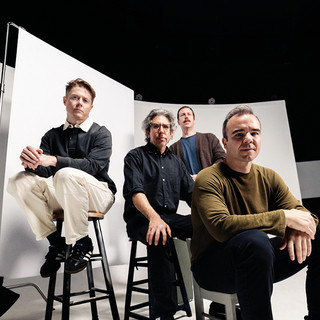
Baltimore band whose new-wave synths and rubbery bass lines exist mainly as a frame for Samuel T. Herring's croon-to-growl delivery and famously unrestrained physical presence.
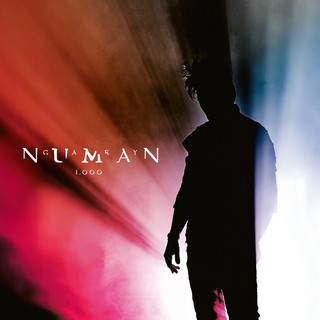
The man who made synthesisers sound alien, then spent his second act making them sound industrial — 'Cars' to Nine Inch Nails gravity, one career.
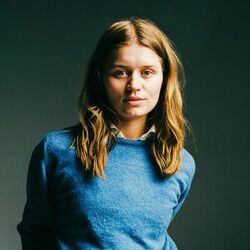
girl in red
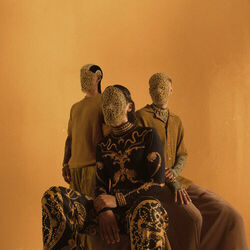
Glass Beams
Masked Swedish collective fusing fuzzed-out psych, Afrobeat rhythm and ritual costume — anonymity held firm across a decade of records.
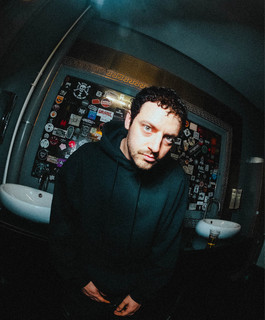
Protest-minded alt-rock with trap production underneath — agitprop you can actually move to, delivered with genuine live-wire intensity.
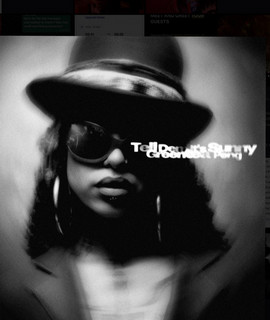
South London singer Aria Wells, whose smoke-hazed take on soul leans on dub weight and a voice that slides around the beat rather than sitting on it.
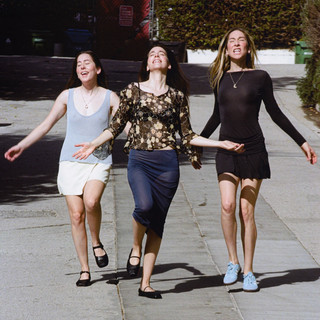
Three sisters from Los Angeles whose soft-rock harmonies sit on top of unusually muscular rhythm playing — a band where everyone swaps instruments and nobody coasts.

Hard-Fi

Dublin band who have carried gospel-soul fervour and trad Irish undertow through rock since the mid-eighties — Liam Ó Maonlaí singing like the room depends on it.
Little Mix's Jade gone gloriously weird — 'Angel of My Dreams' announced a real pop auteur, camp and chaos with A-list polish.
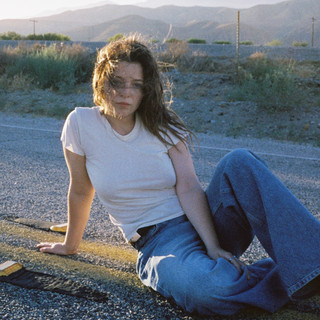
British songwriter with a snarl in her voice and a foot in Americana — folk-rooted songs delivered loud enough to work with a full band behind them.
London poet, playwright and novelist who raps as an extension of the page — dense narrative verse delivered with the cadence of spoken word rather than bars.

Kate Nash
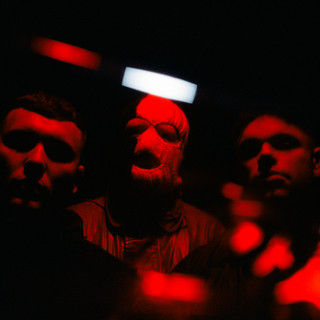
Belfast's bilingual rap provocateurs — republican mischief, mosh-pit energy, real bars, and a film's worth of mythology already.
'Messy' made her unavoidable — raw South London soul-pop with a busted-heart snarl and a voice that earns the Winehouse comparisons.
The NZ art-pop auteur — brooding, minimal, and generation-defining, back on a headline stage where the whispered verses hit hardest.
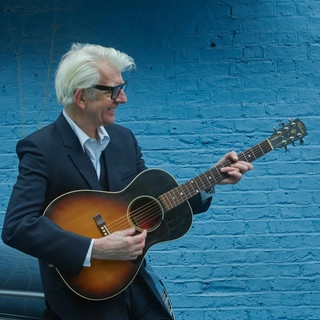
English songwriter and producer behind much of the late-'70s power-pop and new-wave canon — sharp melodic craft, delivered with a straight face and a dry joke underneath.
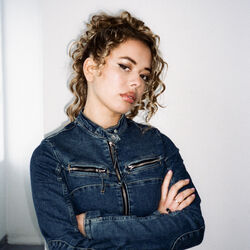
Nilüfer Yanya
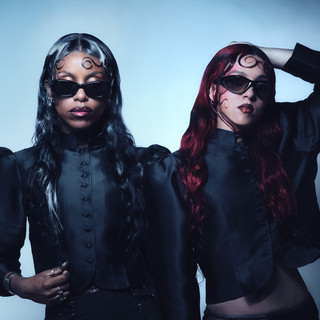
London duo running bass through every pedal ever made — grime swagger welded to punk riffs, a two-woman wall of sound.
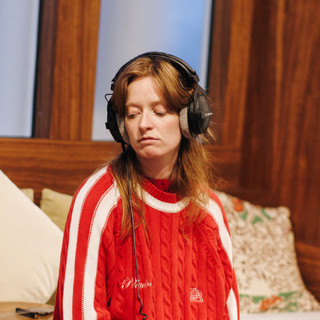
Irish songwriter who built an audience online long before the debut album arrived — sharp, guitar-forward indie pop with an unguarded streak.

John Dwyer's endlessly renamed, endlessly prolific garage-psych machine — records at a pace nobody can keep up with and a live show that runs hotter than any of them.
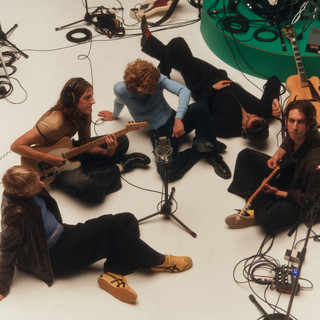
Daft Punk-approved Aussie disco — immaculate grooves, live-band tightness, five-part harmonies over four-on-the-floor, played tight enough to pass a studio audit.
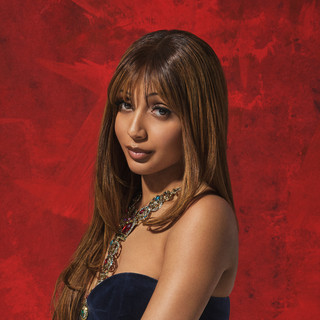
Two-minute drum'n'bass-pop confections — the internet's most influential songwriter-per-second, nostalgia sampled into something brand new, hooks gone before you can replay them.
British indie-pop with a sharp lyrical edge — bright arrangements carrying much darker subject matter, Croydon storytelling on the rise.
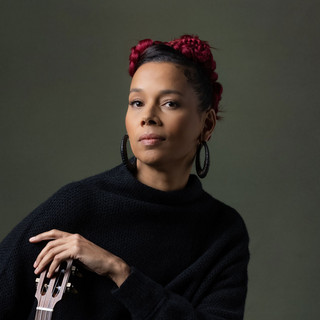
Grammy- and Pulitzer-winning banjo and fiddle scholar — she traces old-time music back to its Black roots and plays it like news, not history.

Sam Ryder
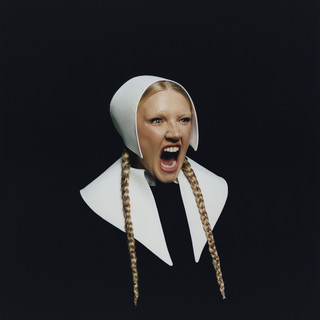
Rebecca Lucy Taylor's solo turn after Slow Club — big-chorus, choir-backed alt-pop about womanhood, staged with deliberately theatrical choreography.

Shed Seven

Annie Clark's project, guitar playing that lurches and stutters through art-rock built on tightly drilled arrangements. Every record arrives with a new persona attached.
Bradford quartet who turned scruffy Yorkshire riffs into genuine chart pop with 'Tequila' and 'Perseverance' — decades of daft, durable rock with the choruses intact.
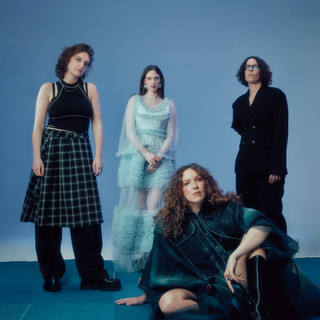
London four-piece led by Juliette Jackson, pairing warm group harmonies with guitar pop that turns wry and observational up close.
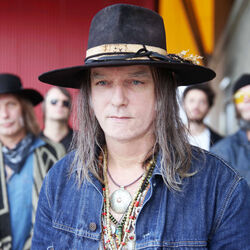
The Brian Jonestown Massacre
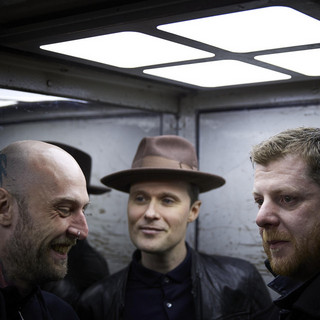
Glasgow trio whose mid-2000s indie boom hits still function as mass singalongs — 'Chelsea Dagger' as unavoidable terrace anthem, plus two decades of albums since.
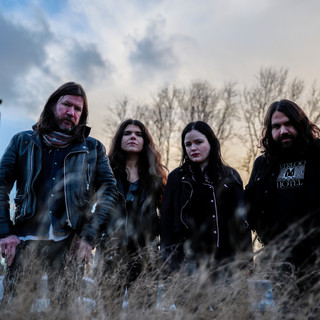
Two sets of siblings from West London whose harmony-drenched indie pop broke through in the mid-2000s and has quietly carried on ever since.

Merseybeat originals whose chiming twelve-string sound shaped a generation of jangle-pop, touring almost continuously until the end.
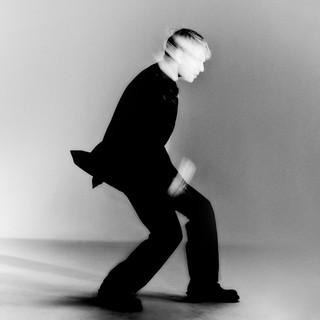
Piano ballads sung at full throat — one enormous heartbreak single and a catalogue that keeps getting starker, braver by the record.
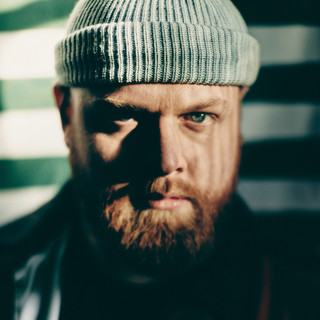
Scottish-born, Manchester-raised singer with a gravel-edged voice and choruses sized for big rooms — 'Leave a Light On' turned him into a UK radio fixture.
Brooklyn art-rock institution built on Tunde Adebimpe's tremulous falsetto and dense, horn-flecked production — anxious dance music for the end of something.
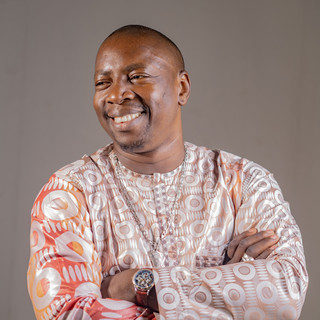
Malian guitarist and son of Ali Farka Touré, carrying the desert-blues lineage into faster, more electric territory of his own making.
Raw-nerve UK rock — Cobain-worn songwriting building a serious cult, intensity that reads as truth, a band critics keep underestimating upward.
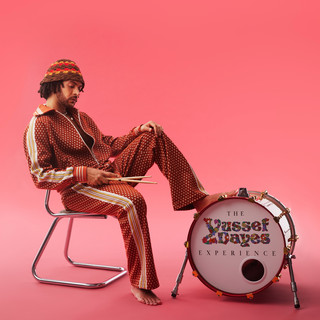
London drummer whose fluid, hard-swinging kit work made Yussef Kamaal a landmark before he stepped out alone — jazz shaped by sound-system weight.
The headliners
The 1975 — Manchester's self-aware pop provocateurs — 80s gloss, terminally online lyrics, and a frontman who treats every show like performance art.
Neil Young — The godfather of grunge, unbowed — ragged glory guitar and a songbook that spans half a century of American unease.
Olivia Rodrigo — Gen-Z's laureate of the breakup — SOUR bedroom confessionals grown into GUTS pop-punk stadium catharsis.
Up-and-comers to catch early
CMAT — From cult favourite to Pyramid billing: the funniest, saddest songwriter Ireland has produced in years.
Lola Young — 2025 was her year: raw soul-pop that earned every bit of the word of mouth.
 English Teacher — Mercury-fresh Leeds art-rock: the smart money's favourite new band.
Wunderhorse — The UK's most believable new rock band, with songs that sound lived-in already.
Rachel Chinouriri — Sharp, generous indie-pop from a songwriter Britain finally caught up with.
JADE — The pop reinvention of the year, played to a field ready for it.
Other acts worth planning around
Pulp — The comeback everybody hoped for: 'Common People' as a national event.
Charli XCX — Brat summer's victory lap, staged on the Other Stage.
Lorde — A surprise Woodsies appearance. The tent found out along with everyone else.
The Prodigy — Closed the Other Stage at full force: the loudest communion of the weekend.
- Nile Rodgers & Chic — A nonstop hits masterclass: the most danced-to hour on the farm.
Doechii — The year's most acclaimed new rapper, making her Worthy Farm debut on West Holts.
Turnstile — Hardcore as pure joy: stage dives at teatime.
Glastonbury 2025 lineup FAQ
Who headlined Glastonbury 2025?
The 1975 headlined the Pyramid Stage on Friday, Neil Young on Saturday and Olivia Rodrigo on Sunday, with Rod Stewart in the Sunday-afternoon legends slot.
When was Glastonbury 2025?
June 25–29, 2025. Gates opened Wednesday, with the main stages running Friday through Sunday.
Is there a Glastonbury in 2026?
No. 2026 is a scheduled fallow year to let Worthy Farm and the village rest. The festival is due back in 2027.
Where does Glastonbury take place?
Worthy Farm in Pilton, Somerset, England: a temporary city of a hundred-plus stages and areas.
How many acts played Glastonbury 2025?
Thousands of performances happen across the farm; LineupScout tracks 113 acts from the main stages: Pyramid, Other, West Holts, Woodsies, Park, Acoustic, Avalon and Left Field.
How do I find the acts I'd have liked?
Type a few artists you love into the finder at the top of this page. It matches them against this lineup and explains each pick.
Going to Glastonbury 2027? Get tickets ↗
Past years
Festivals like Glastonbury
More festivals
Festivals in June 2027 →Music festivals in the UK →Full festival calendar →