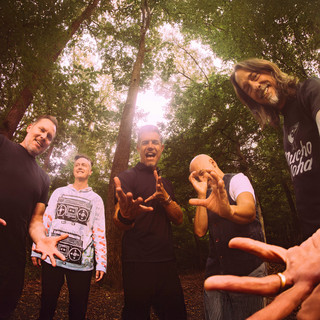
Amber-toned reggae-rock positivity out of Omaha — three decades of hybrid grooves, rap-rock verses, and sunny choruses that made them a permanent institution of the summer shed circuit.
Warped Tour Orlando 2026 Lineup
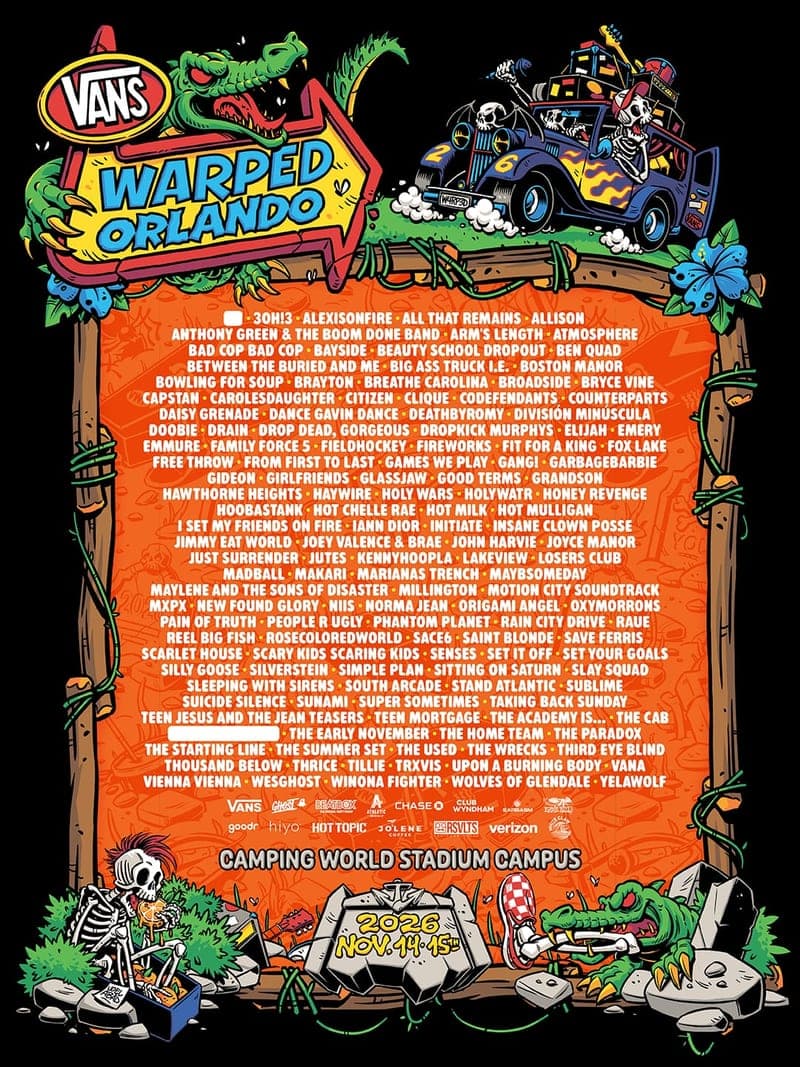
Warped's Florida stop, billed flat and alphabetical the way it always was: 137 bands across two November days, from Jimmy Eat World to Sunami.
Find the acts you'll love at Warped Tour Orlando
Name a few bands you love and we'll scout all 141 acts on the Warped Tour Orlando bill for the ones you shouldn't miss.
Get notified when Warped Tour Orlando set times drop
Free account — we'll email you the day it happens, and your saved festivals follow you to every device.
About Warped Tour Orlando 2026
Warped Tour's Florida stop runs two days on the Camping World Stadium campus, and it is billed the way Warped has always been billed: one alphabetical block, no headliners, no hierarchy. That's not an oversight on our part: the festival publishes no billing order at all, so this page lists all 137 bands flat, exactly as the lineup poster does.
The spread is enormous. Jimmy Eat World, Taking Back Sunday, The Used, Third Eye Blind, Dropkick Murphys, Simple Plan, New Found Glory, Silverstein and Thrice cover the nostalgia end. Sublime, Reel Big Fish, Save Ferris and MxPx handle ska and skate-punk. Sunami, Drain, Pain of Truth, Madball, Knocked Loose-adjacent hardcore and Suicide Silence cover the heavy end. And Hot Mulligan, Origami Angel, Arm's Length, Ben Quad, Teen Mortgage and Winona Fighter represent whatever emo is doing now.
Expect pop-punk, emo, post-hardcore and alt-rock across 141 acts.
Warped Tour Orlando 2026 lineup & schedule: all 141 acts
Search it, filter by day, stage or genre. Save anything straight to your schedule.Browse all 141 acts →
Search it, filter by day, stage or genre. Save anything straight to your schedule.
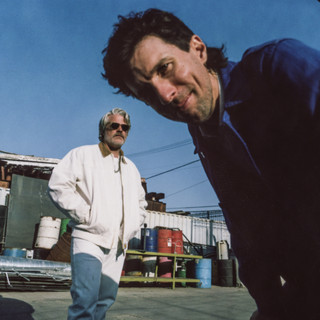
DONTTRUSTME and the rest of the MySpace-era catalog, played fully self-aware — neon electro-rap chaos that has aged into a gleeful, shout-along riot live.
Canada's post-hardcore heart — three voices trading scream, croon, and rasp across one beloved catalog, with reunion sets that feel like national holidays back home.
New England metalcore that leaned into melody early and got a career of radio singles out of it — trading screams for choruses at exactly the right moment.

Allison
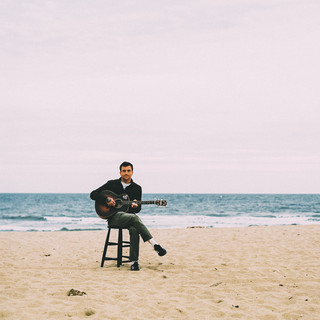
The Circa Survive singer's solo work — that unmistakable keening voice over looser, warmer arrangements, trading post-hardcore tension for campfire-scale intimacy.
Ontario emo revival with a knack for the exact line that lands hardest — huge choruses, harder feelings, and a scene-beloved catalog that punches far above its weight.
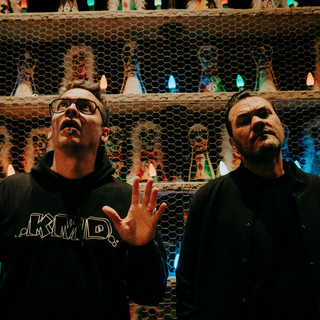
Slug and Ant's Rhymesayers cornerstone — conversational, self-lacerating rap over dusty, patient loops, still the blueprint for Midwest underground hip-hop's emotional honesty.
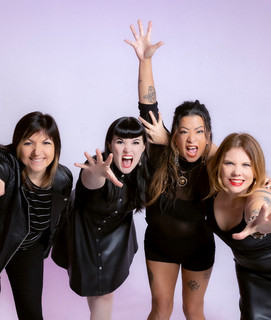
Fat Wreck melodic punk with four-part harmonies and no patience for anyone's nonsense — SoCal hooks carrying unapologetically feminist fire.
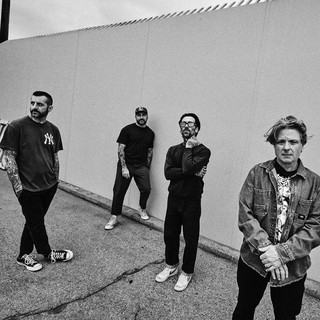
Queens punk with a morbid streak and lead guitar lines that owe more to metal than emo — craftsmanship that turned a scene band into a twenty-year institution.
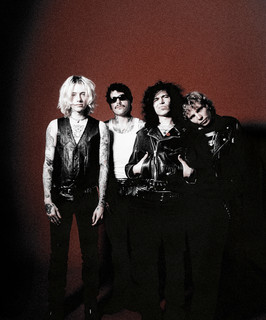
LA trio splitting the difference between pop-punk revival and moody alt-rock — new-school scene energy with a darker, radio-ready finish.
Fifth-wave emo at its most frantic — tapped riffs and throat-shredding payoffs in equal measure, from a band that treats catharsis as a competitive sport.
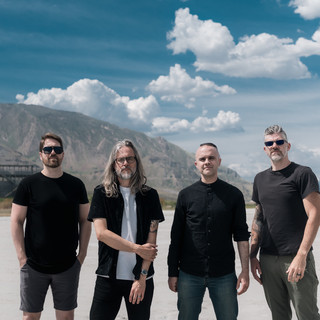
Progressive metal with no regard for song length — polka breaks, jazz detours, and genuine death-metal fury, often inside the same eleven-minute track.
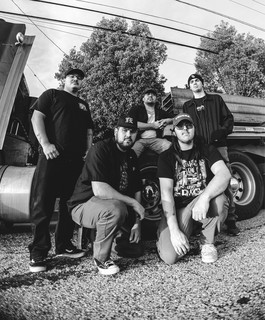
Big Ass Truck I.E.
California crew working the blunt end of beatdown hardcore — breakdowns built for pit damage rather than for anyone's stereo.
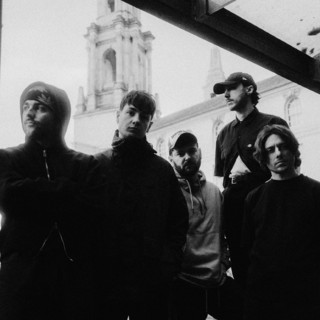
Blackpool band that walked away from pop-punk toward something darker, grimier, and considerably more interesting — industrial-gray alt-rock with real atmosphere.
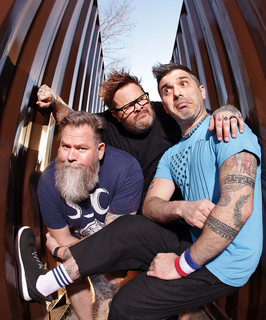
Texas pop-punk comedians with better songwriting chops than the joke suggests — twenty-five years of hooks hiding under the punchlines.
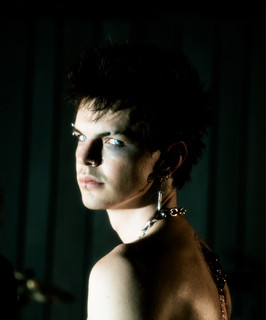
Brayton
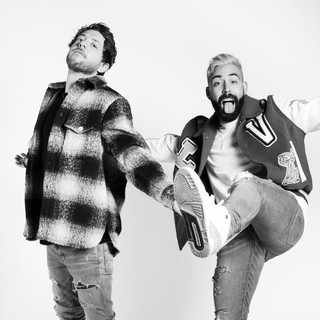
Started as screamo-electro, ended up as a straight dance act — both halves still show up live, MySpace nostalgia colliding with festival EDM.
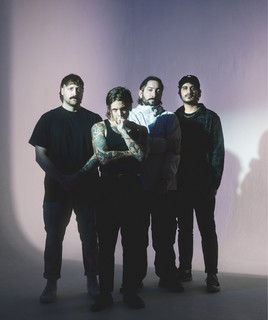
Richmond pop-punk with a genuine pop instinct — hooks first, scene second, and choruses polished enough to pass for radio pop with the guitars turned down.
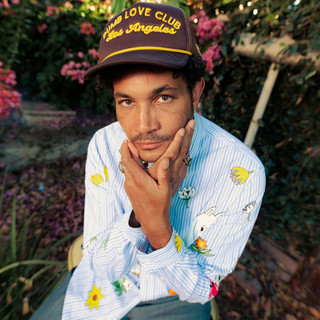
Sunny pop-rap with a guitar underneath — 'Drew Barrymore' breeziness built for a summer that never quite ends.

Florida post-hardcore with clean-vocal lift and an ear for the theatrical — technical enough for the Swancore crowd, catchy enough for everyone else.
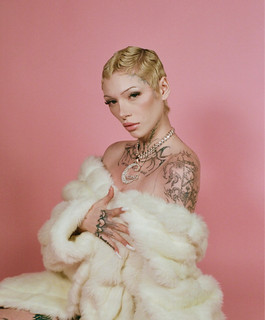
Bedroom-goth alt-pop — acoustic sadness and distorted 808s in roughly equal measure, 'Trailer Trash' the viral flashpoint.

Chlorine
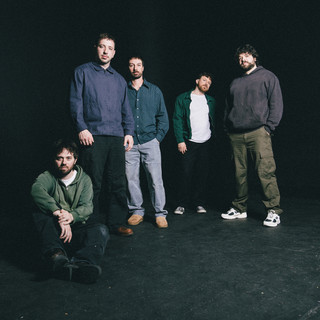
Grunge-weight emo that has quietly drifted toward something looser and poppier without losing the murk — Toledo's finest, still evolving album over album.
Clique
Californian hardcore outfit formed in 2021, working the fast and blunt end of the style.
Fat Mike's genre-agnostic side project — punk, rap, and folk stitched into something genuinely odd, with Ceschi's rapid-fire verses at the center.
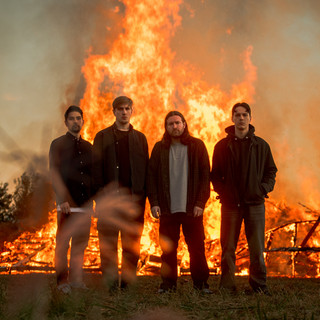
Melodic hardcore at its most emotionally scoured — Brendan Murphy's voice permanently at the edge, and a Canadian scene institution because of it.
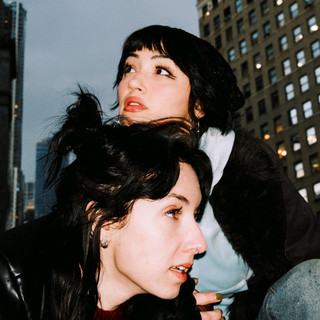
Theater-kid pop-punk menace — self-branded 'bubble-grunge' with a wink, Brooklyn duo energy engineered for glitter and mosh in equal parts.
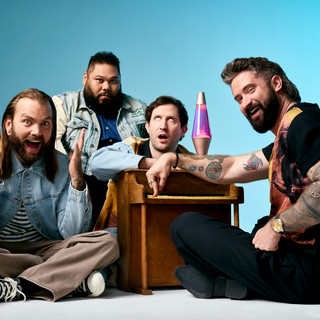
Swancore's funk-flecked flagship — technicolor riffs and dual-vocal whiplash, a prolific catalog that never stopped mutating.
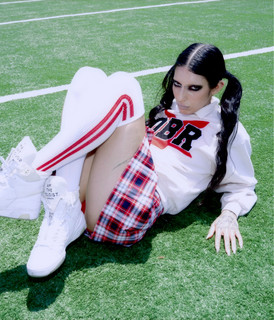
Gothic pop with metallic edges — theatrical dark-pop vocals over production that keeps one boot in the metal scene.
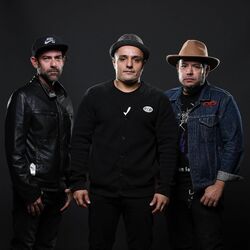
Mexican emo-rock pioneers — border-town anthems for a generation that learned to scream along in Spanish first.

Nashville rapper with a rock streak and a fiercely independent release history — melodic grit built entirely outside the label system.
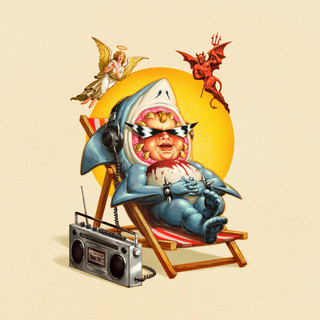
Sunny California hardcore that treats a circle pit as a party rather than a fight — the scene's most reliably grinning live band.
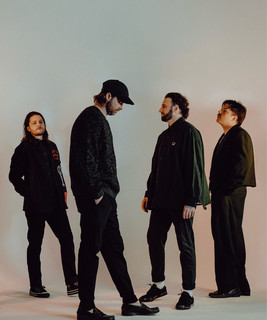
Mid-2000s Colorado post-hardcore band who ran synths and electronics through screamo at the peak of that scene — back on stages after years of silence.
Boston Celtic-punk with bagpipes, union politics, and a singalong rate of roughly one per song — 'Shipping Up to Boston' merely the loudest.
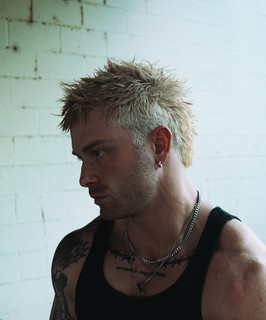
Elijah
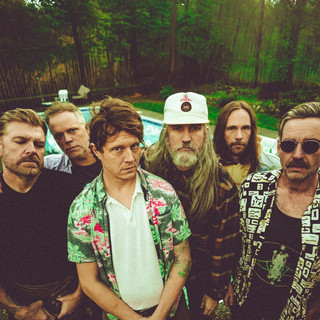
'The Question'-era screamo-pop veterans, still swinging — dueling vocals and dynamic whiplash from one of the scene's smartest bands.
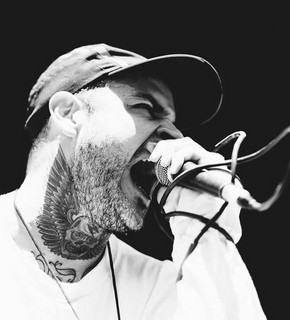
Divisive by design — nu-metal bounce, deathcore weight, and Frankie Palmeri saying the unsayable, engineered to start arguments and pits alike.
Atlanta crunk-rock — dance-punk silliness played entirely straight and very loud, a MySpace-era party that never acknowledged the era ended.
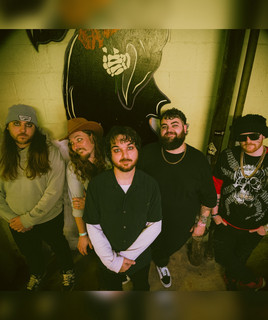
Fieldhockey
Firesun

Detroit pop-punk with more literary ambition than the genre usually allows — scene-beloved records that read as well as they shout.
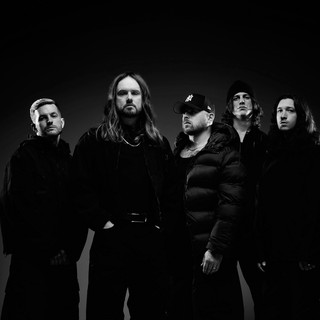
Texas metalcore built on clean-vocal lift and reliably enormous breakdowns — arena-scale heaviness delivered with total consistency.
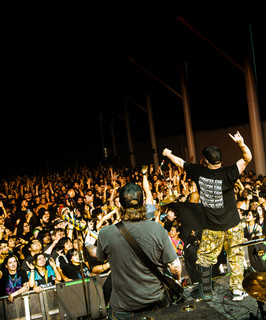
Fox Lake
Denver group working the heavier end of modern rock since 2017 — riff-driven and built for small rooms with loud PAs.
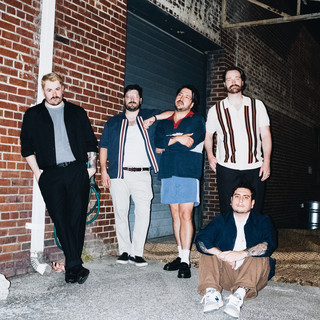
Twinkly, self-lacerating emo about mental health, sung like it's being confessed rather than performed — catharsis with a Nashville accent.
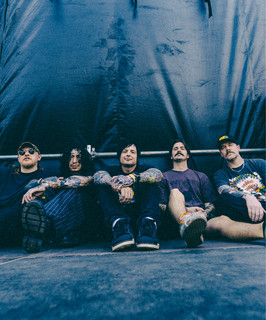
Mid-2000s screamo whose most famous alumnus left to become a dubstep producer — 'Dear Diary' drama that still hits the scene's pleasure centers.
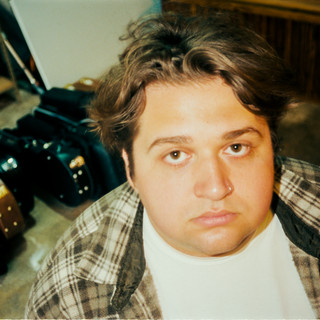
Games We Play

Gang!

Scuzzy internet-age alt-pop.
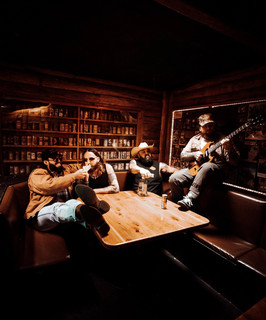
Alabama metalcore turned mean — melodic roots swapped for something nu-metal-adjacent, and the heaviness pays for the trade.
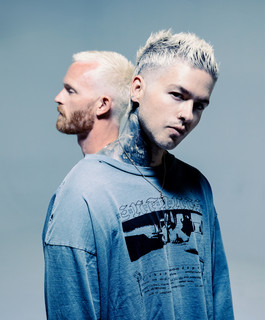
Travis Barker-adjacent pop-punk duo — glossy, fast, and unashamedly hooky, scene revival built for playlists and pits alike.
Post-hardcore's great withholders — Daryl Palumbo's serrated delivery over grooves that lurch sideways, and records doled out a decade apart.

Good Terms
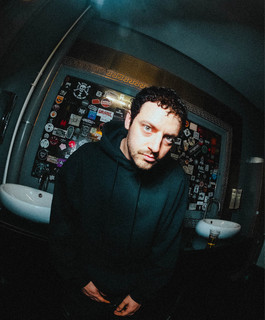
Protest-minded alt-rock with trap production underneath — agitprop you can actually move to, delivered with genuine live-wire intensity.
Travie McCoy's band bent rap, rock and pop into one radio-shaped thing, and Cupid's Chokehold and Stereo Hearts are the proof. Live they play it as a party rather than a nostalgia set.
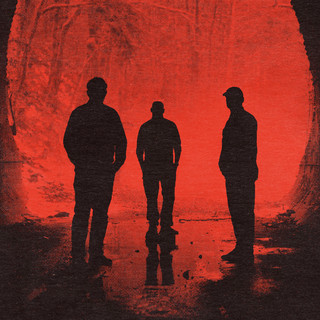
Ohio emo survivors whose mid-2000s records are still the reference point for the whole scream-over-the-chorus template — played now with veterans' gratitude.
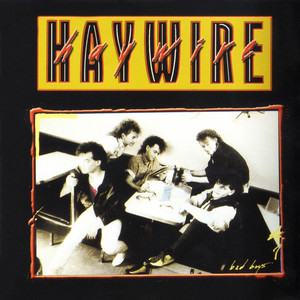
Newer West Coast hardcore working the same fast, mean seam as its Bay Area peers — no-frills aggression built for short, violent sets.
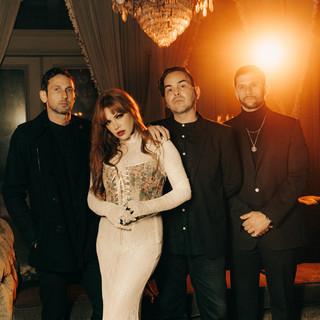
LA project trading in cinematic, brooding alt-pop with a big low end — grief-forged songs delivered with theatrical force.
holywatr
Bright, funk-tinged pop-punk from a duo with an unusually sharp sense of groove — scene revival with actual rhythm-section chops.
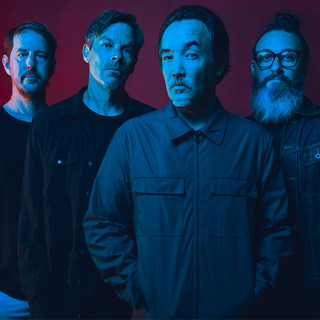
Early-2000s alt-rock with one inescapable ballad and a harder-edged catalogue behind it — 'The Reason' opens the lighters, the rest brings guitars.
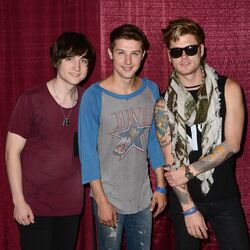
Nashville pop-rock with one enormous 2011 single and a reunion that leaned back into the guitars — 'Tonight Tonight' still pure sugar.
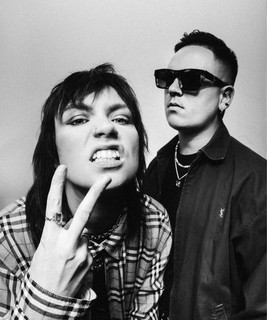
Manchester co-fronted pop-punk with a sneer inherited directly from Britpop — dual vocals, big choruses, bigger attitude.
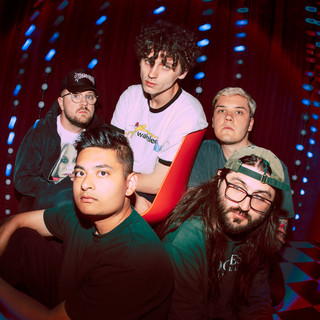
Midwest emo's chaotic favorites — screamed choruses, absurd song titles, real feelings, and a crowd that knows every word including the yelps.
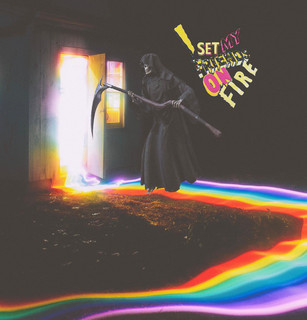
Crunk-screamo maximalism — the most 2008 band that has ever existed, affectionately, MySpace chaos preserved in amber and played loud.
Melodic emo-rap that crossed fully into pop-rock without much fuss about the line — chart ubiquity with a scene kid's heart.
Bay Area hardcore with a metallic edge and a vocalist who does not let up — pit fuel from the scene's deep bench.
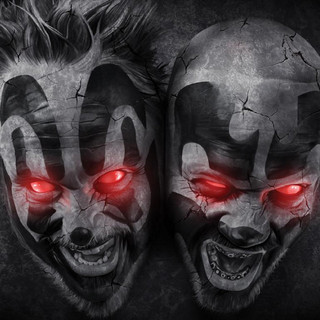
The Faygo flies at sundown — whoop whoop, and genuinely one of music's strangest, most loyal communities gathered in one place.
The emo band that became a permanent radio fixture — enormous choruses delivered with total earnestness, decade after decade without a dip.
Beastie Boys energy for the TikTok era — relentless, giddy, all-caps fun, two friends rapping like the '80s never ended.
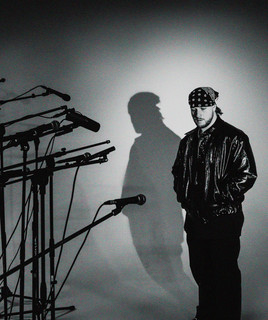
John Harvie
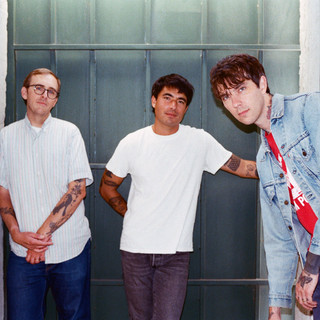
Southern California's most efficient punk band — two-minute songs, enormous hooks, and sets that are over before you've settled in.
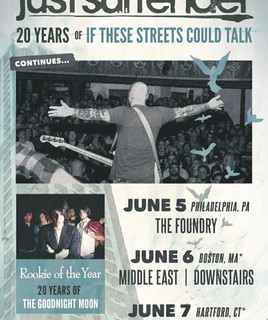
American band that came up in the mid-2000s pop-punk circuit, splitting the difference between screamed catharsis and big power-pop hooks.
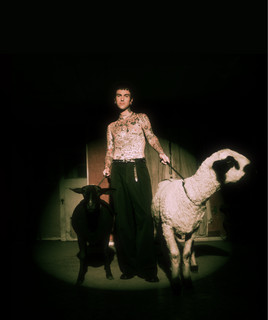
Toronto artist who moved from rap features into full pop-punk, and sounds more at home there — emo-rap roots showing through the power chords.
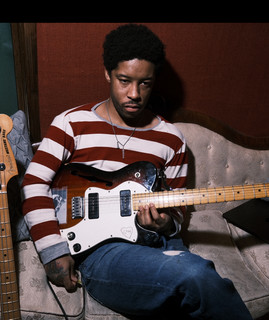
Post-punk-inflected alt-rock with a genuine 2005 dance-punk streak, and much heavier live than on record — new-core energy with real nostalgic craft.

Lakeview
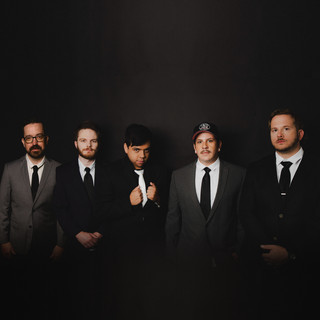
Losers Club
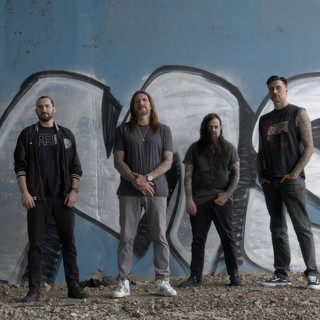
NYHC royalty — Freddy Cricien's bark over the crossover riffing that defined the Lower East Side sound, hardcore lineage in the literal family sense.
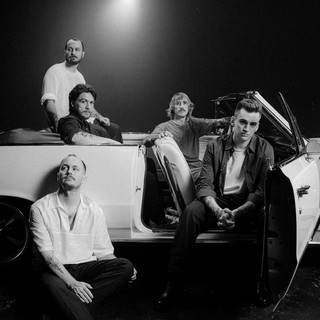
Makari
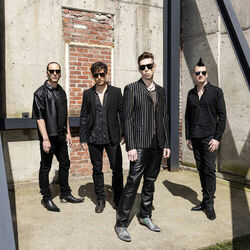
Vancouver pop-rock with theatre-kid ambition — multi-part suites and Josh Ramsay's four-octave showing-off, concept albums played like Broadway.
maybsomeday
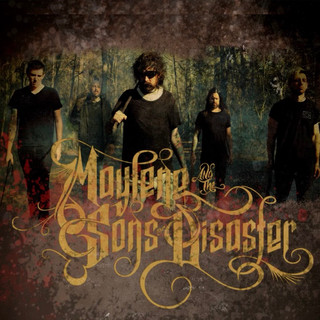
Southern-fried metalcore built around the Barrow gang mythology — slide guitar over breakdowns, Alabama grit in every groove.
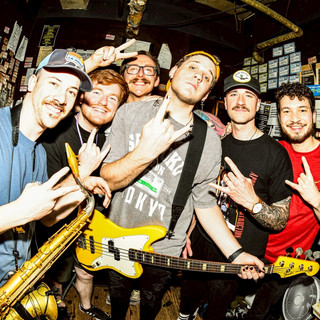
Millington
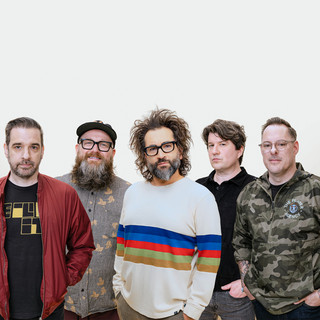
Moog-powered anxiety anthems — 'Commit This to Memory' remains scripture, and 'Everything Is Alright' remains a group confession.
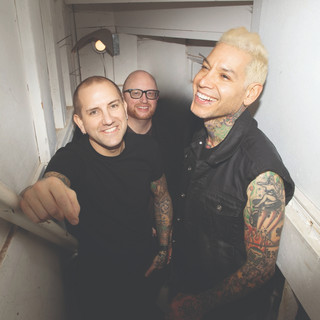
Pacific Northwest pop-punk lifers — fast, bright, and unbothered by three decades passing, 'Chick Magnet' still a set-list law.
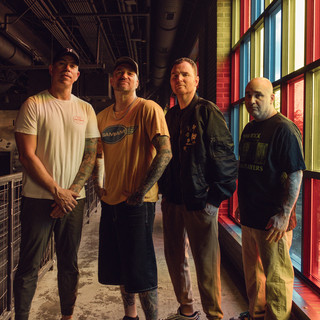
The pop-punk band other pop-punk bands cite — three decades of unreasonably durable hooks and a work ethic to match.
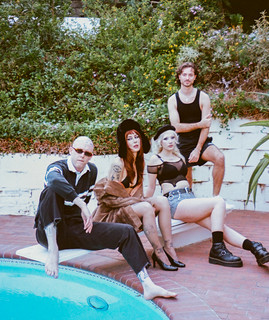
NIIS
Chaotic Southern metalcore — dissonant, lurching, and famously punishing to watch from the front, two decades of controlled collapse.
A two-piece making absurdly dense, tapping-heavy emo that sounds like four people having the best day of their lives — Gami gang, assemble.
Queens rap-rock that genuinely fuses both halves rather than alternating them — livewire energy with a message underneath.
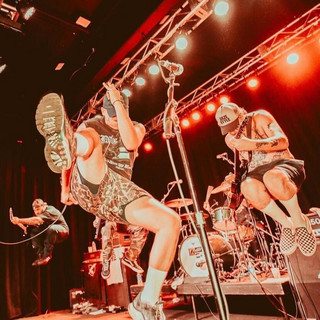
Long Island heavy hardcore with a lineage running straight back to the NYHC canon — new-school stomp, old-school allegiance.
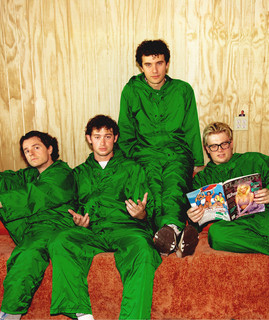
People R Ugly
Best known for a theme song, which buries a genuinely sharp power-pop catalogue — 'California' opens the door, the rest keeps you.

Formerly Slaves, rebuilt around melody — modern post-hardcore with the edges sanded deliberately smooth and the choruses aimed at radio.
Raue
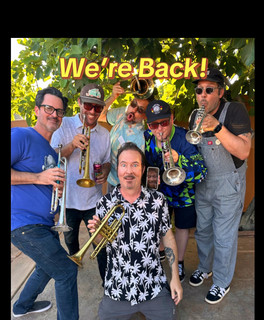
Third-wave ska's most reliable good time — horns, self-deprecation, and a set list that knows exactly what it is, 'Sell Out' forever.
rosecoloredworld
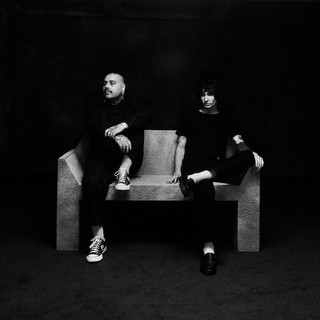
Sace6
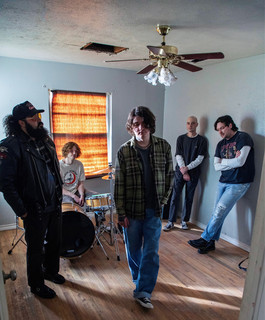
Saint Blonde
Monique Powell's ska-pop outfit — brass-forward and built around one of the era's biggest voices, 'Come On Eileen' cover and all.
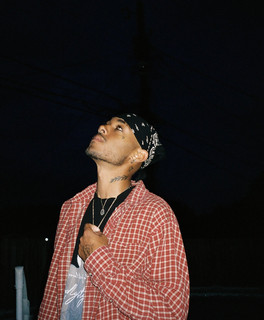
Scarlet House
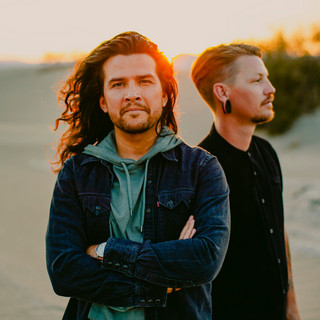
Keyboard-led post-hardcore with a genuinely gorgeous streak under the screaming — scene-era drama back from the vault.
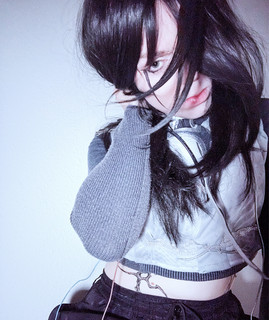
Senses
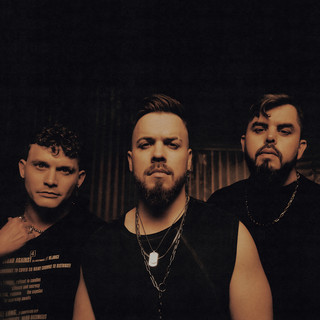
Theatrical pop-rock with orchestral flourishes and a frontman who can genuinely belt — Broadway instincts at Warped velocity.

Gang-vocal pop-punk with hardcore bones — two singers, no wasted time, 'Mutiny!'-era energy preserved intact, posi-hardcore joy undimmed.
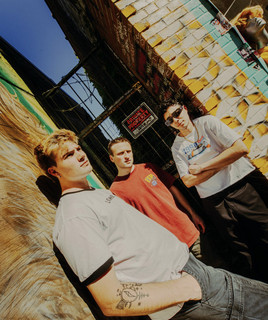
Silly Goose
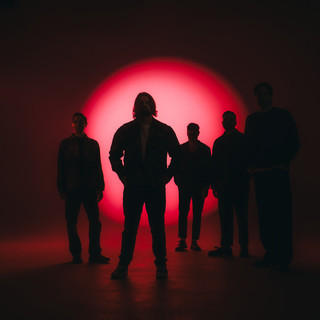
Canadian post-hardcore that outlasted the scene it came from by simply never getting worse — 'My Heroine' still a full-crowd scream.
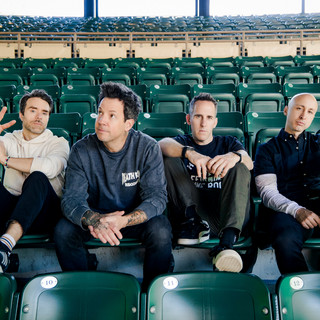
Montreal pop-punk that took the genre fully mainstream and has never pretended otherwise — 'I'm Just a Kid' now two generations deep.

Sitting On Saturn
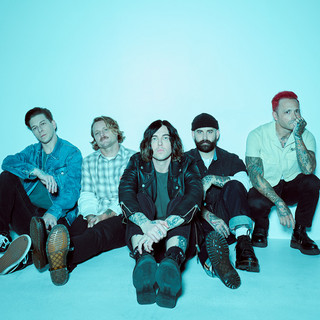
Kellin Quinn's falsetto-fronted post-hardcore — Warped Tour royalty matured, with the high notes fully intact and scene-era devotion still filling rooms.
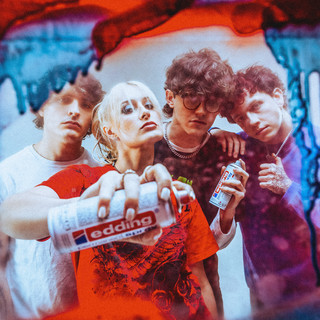
British band reviving 2000s alt-rock gloss with a genuinely modern pop sensibility — Y2K crunch, algorithm-era hooks.
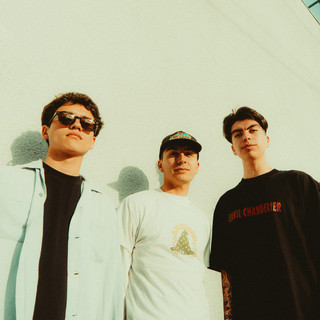
Australian pop-punk gone hyper — glitchy production and hooks sharpened to a point, genre rules cheerfully ignored.
Sun-bleached ska-punk-dub hybrid, now carried by Bradley Nowell's son with the songs left intact — '40oz. to Freedom' forever.
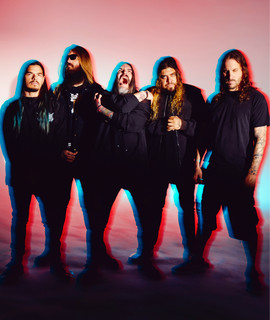
Deathcore's early standard-bearers — blast beats into breakdowns, delivered at maximum volume, with Mitch Lucker's legacy carried respectfully forward.
Bay Area beatdown that turned meme-level swagger into a genuinely feared live act — the joke stopped being a joke fast.
Super Sometimes
Long Island emo royalty — mic-swinging catharsis, twenty-plus years deep, 'MakeDamnSure' still a communal throat-shred, and yes, the mic still swings.
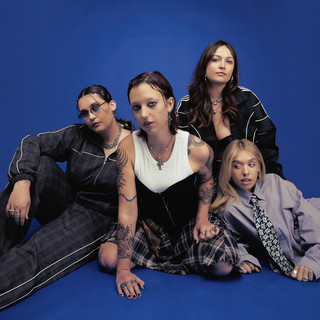
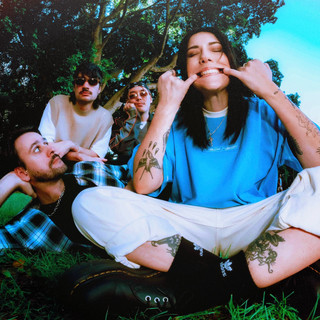
Australian four-piece playing scrappy, funny, hook-heavy rock with a real live spark — Canberra mates with festival-sized charm.
DC duo making a genuinely enormous racket for two people — fuzz, sludge, and swagger in the Death From Above tradition.
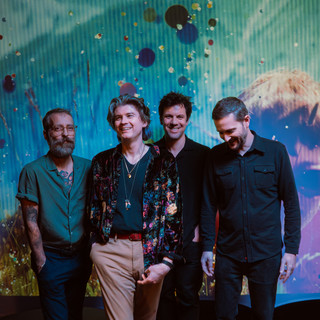
William Beckett's Chicago pop-punk — swaggering, scarf-wearing, and sharper than the scene remembers, 'About a Girl' still gleaming.
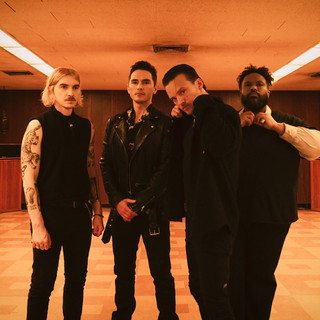
Vegas pop-rock from the Decaydance orbit, built around Alexander DeLeon's soul-leaning voice — 'Symphony Soldier' loyalists, report in.
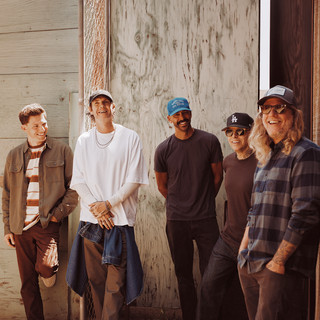
Huntington Beach beach-rap that never pretends to be anything heavier: acoustic reggae bounce, sunburnt hooks, and a live set built for the last hour of daylight.
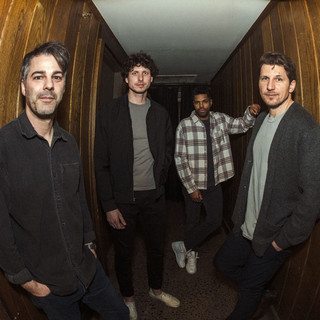
Jersey emo with a soft-focus streak — the band that once released a triple concept album and meant it, sincerity as a career-long dare.
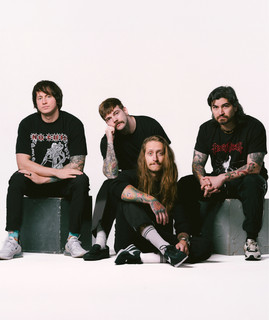
Seattle's funk-flecked pop-metalcore — groove first, breakdowns second, and falsetto hooks the scene didn't see coming.
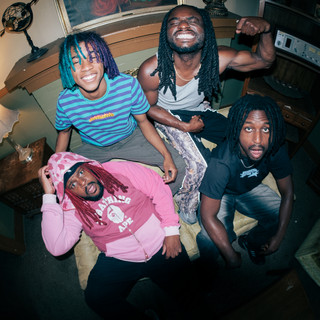
The Paradox
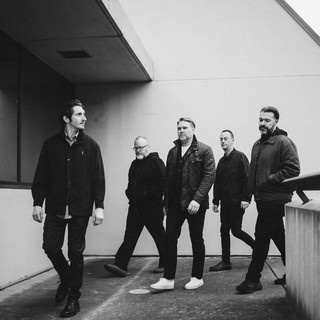
Early-2000s pop-punk with more craft than the era gave it credit for — 'The Best of Me' aging like a yearbook photo you actually like.
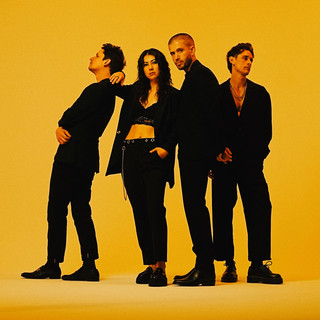
Arizona pop-rock that split up, reunited, and came back noticeably better — second acts done right.
Bert McCracken's scream-to-croon whiplash defined a corner of early-2000s post-hardcore and still detonates live — the chaos aged into craft.
Big-chorus indie-rock built for a room singing back — Nick Anderson's phrasing does a lot of the work, and the crowd does the rest.
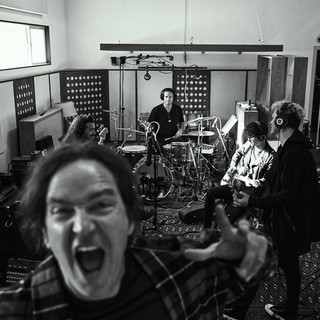
Semi-charmed alt-rock perfection — a greatest-hits set with no skips, doot-doot-doots at maximum participation, Jenkins still selling every word.
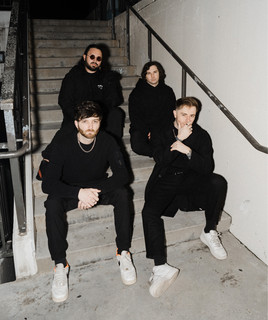
Post-hardcore that leans into the ache — glossy production over genuinely raw heartbreak, built for night drives after the show.
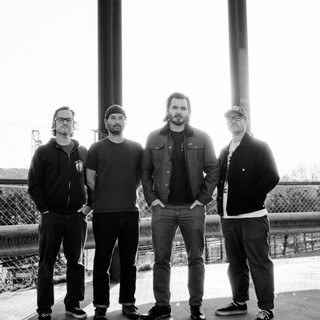
Post-hardcore's elder statesmen — heavy, literate, endlessly evolving, and never once coasting on the back catalog.

TiLLie

TRXVIS
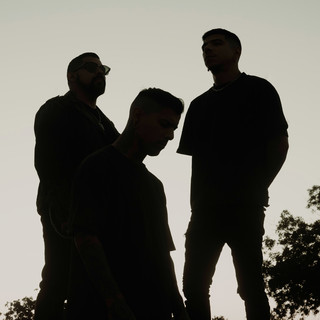
Texas deathcore with a groove streak and a fondness for naming records after films — San Antonio swagger at full weight.
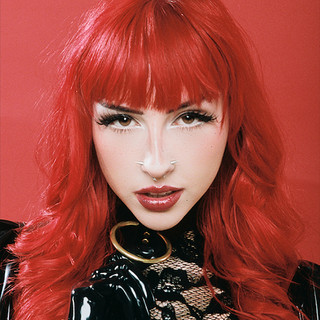
Vana
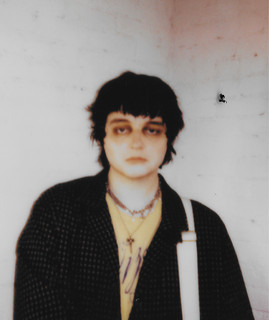
Vienna Vienna
WesGhost
Nashville punk trio with a drummer-vocalist front and centre and no interest in polish — raw hooks played standing on the kit.
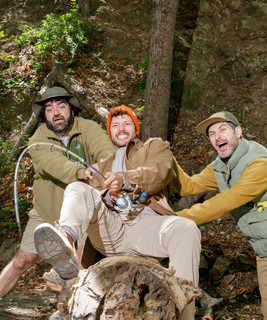
Wolves of Glendale
Los Angeles musical-comedy trio built for the short-video era — close three-part harmony deployed in service of deeply stupid premises, sung completely straight.
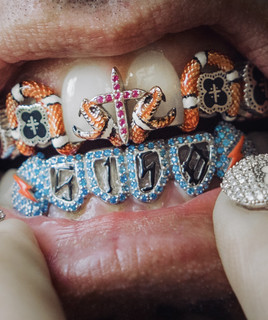
Alabama rapper who kept drifting toward country and rockabilly without ever losing the double-time flow — Slumerican to the bone.
Up-and-comers to catch early
Winona Fighter — Nashville punk trio with a drummer-vocalist front and centre.
Teen Mortgage — DC duo making an implausible racket for two people.
Arm's Length — Ontario emo with a knack for the line that lands hardest.
Ben Quad — Oklahoma fifth-wave emo: twinkly, screamed, very short songs.
Honey Revenge — Bright, funk-tinged pop-punk with a real sense of groove.
Origami Angel — Two people making a genuinely absurd amount of noise.
Other acts worth planning around
Jimmy Eat World — Emo's most durable radio band.
Taking Back Sunday — Duelling-vocal Long Island emo, mic swinging included.
The Used — The sound of a very specific and very loud 2004.
Dropkick Murphys — Bagpipes, union politics, a singalong per song.
Sublime — Long Beach ska-punk-dub, back on the road.
Glassjaw — Post-hardcore's great withholders, playing a festival bill for once.
Sunami — The heaviest reason to be near the front all weekend.
The lineup by day
Saturday lineup (November 14)
311, Alexisonfire, Allison, Anthony Green & The Boom Done Band, Arm's Length, Atmosphere + 65 more
Sunday lineup (November 15)
3OH!3, All That Remains, Bayside, Beauty School Dropout, Ben Quad, Big Ass Truck I.E. + 64 more
Warped Tour Orlando 2026 lineup FAQ
When is Warped Tour Orlando 2026?
November 14–15, 2026: Saturday and Sunday.
Where is it held?
The Camping World Stadium campus in Orlando, Florida.
Who is headlining?
Nobody. Warped publishes a flat alphabetical bill with no headliners, and we've kept it that way here.
How many acts are playing?
137 bands across two days.
Are day-by-day lineups published?
Not yet. Warped typically releases day and stage times much closer to the event.
How do I work out which acts I'd like?
With a bill this size that's the whole problem. Type a few bands you already love into the search at the top of this page and you'll get ranked matches, with reasons.
Who plays Saturday at Warped Tour Orlando 2026?
Saturday, November 14: 311, Alexisonfire, Allison, Anthony Green & The Boom Done Band, Arm's Length, Atmosphere, plus 65 more acts.
Who plays Sunday at Warped Tour Orlando 2026?
Sunday, November 15: 3OH!3, All That Remains, Bayside, Beauty School Dropout, Ben Quad, Big Ass Truck I.E., plus 64 more acts.
Are Warped Tour Orlando 2026 set times out yet?
Not yet. The lineup is split by day below, and set times are still to come. The alert on this page emails you the day they drop.
Going to Warped Tour Orlando 2026? Get tickets ↗
Festivals like Warped Tour Orlando
More festivals
Festivals in November 2026 →Music festivals in Florida →More Punk festivals →More Hardcore festivals →More Alternative festivals →Full festival calendar →