Matteo Milleri's solo project, pairing cavernous melodic techno with AI-rendered visual worlds built for the biggest screens available — half DJ set, half sci-fi planetarium.
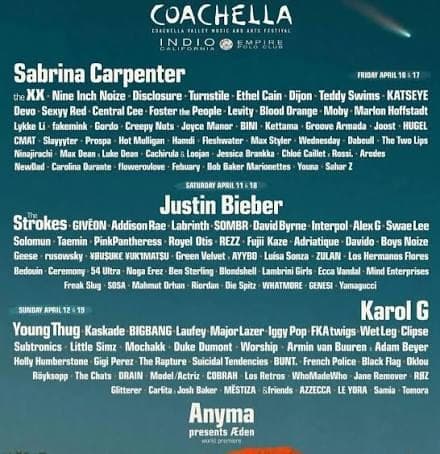
Coachella 2026 Lineup
Two April weekends at the Empire Polo Club for the 25th edition: pop and dance on top of a bill that ran eight stages deep and unusually heavy on reunions and elder statesmen.
Coachella returns April 9–11 and 16–18, 2027. Until the lineup drops, here's the full 2026 bill and the acts you would have loved.
Find the acts you'll love at Coachella
Name a few bands you love and we'll scout all 168 acts on the Coachella bill for the ones you shouldn't miss.
Get notified the moment the 2027 lineup drops
Free account — we'll email you the day it happens, and your saved festivals follow you to every device.
About Coachella 2026
Coachella's 25th edition ran across two April weekends at the Empire Polo Club, and sold out within a week of the September announcement. Sabrina Carpenter, Justin Bieber and Karol G took the Friday, Saturday and Sunday headline slots on the Coachella Stage (Karol G becoming the first Latina artist ever to headline the festival), with Anyma billed alongside them as a fourth headliner.
Underneath the marquee, the 2026 bill was unusually deep in reunions and elder statesmen: David Byrne and Devo, Black Flag and Iggy Pop, Interpol and The Strokes, Deep Dish reunited on the Quasar Stage. The tents carried the discoveries, as always. The Sonora and Gobi lineups in particular read like a well-curated club week rather than a festival undercard.
Not everything went to plan. Severe weather forced the cancellation of Anyma's first-weekend set; he returned to close the weekend with a surprise Do Lab appearance alongside Marlon Hoffstadt, then delivered the full production on weekend two. Jack White was a late addition to the schedule, playing weekend one only, with Kacey Musgraves taking the same Mojave slot the following Saturday.
Expect electronic, house, dance and indie rock across 168 acts.
Coachella 2026 lineup & schedule: all 168 acts
Search it, filter by day, stage or genre. Save anything straight to your schedule.Browse all 168 acts →
Search it, filter by day, stage or genre. Save anything straight to your schedule.
Two decades removed from the YouTube covers, still one of pop's most recognizable voices — lately drifting toward loose, atmospheric R&B.
Medellín's biggest export since the reggaeton boom — a stadium-scale performer whose records mix perreo, bachata, and unabashed pop, delivered with world-tour polish.
Former Disney kid turned arena-filling pop force, trading in winking innuendo, retro-leaning production, and hooks engineered for maximum singalong — fully caffeinated live.
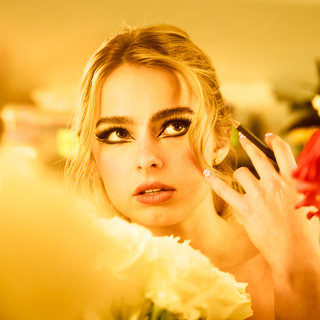
Reinvented from short-form-video ubiquity into a genuinely well-made art-pop project — breathy vocals, early-2000s dance production, and co-signs from pop's most discerning corners.
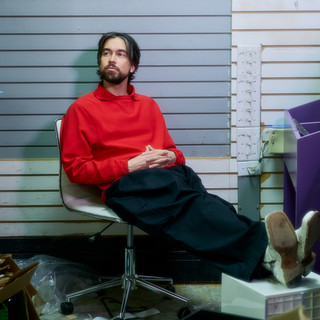
Bedroom-recorded songs that curdle in beautiful ways — pitch-shifted vocals, folk melodies, and lyrics that never explain themselves, from indie rock's most quietly influential songwriter of the past decade.
Armin van Buuren and Adam Beyer
The group that made K-pop a global proposition — swaggering, hip-hop-rooted, and largely self-written, which was not the norm when they started.
Sabrina Teitelbaum writes plainspoken, furious guitar songs about bad relationships and worse coping mechanisms — '90s alt-rock bones under a razor-sharp modern eye.
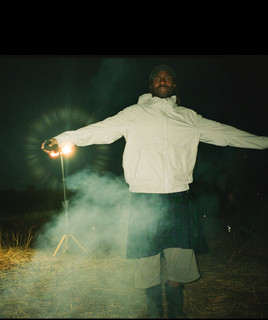
Dev Hynes's velvety art-R&B — '80s soul textures, jazz chords, and quiet heartbreak from one of pop's most sought-after collaborators.
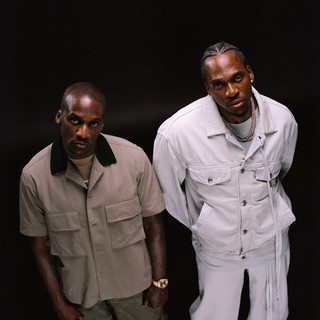
Pusha T and Malice, reunited — coke-rap scripture over pristine beats, one of rap's great comebacks and a masterclass in brotherly chemistry.
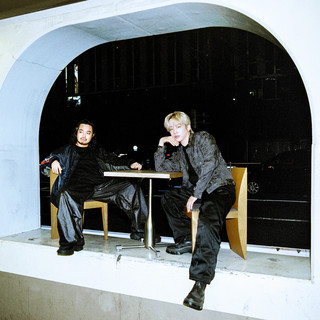
A rapper and a world-champion DJ from Japan whose breakneck, tongue-twisting singles became inescapable well beyond hip-hop circles — 'Bling-Bang-Bang-Born' conquered the internet twice over.
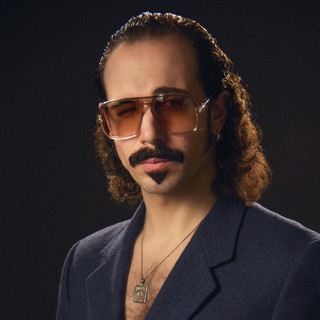
French modern-funk obsessive who plays '80s boogie completely straight — vocoders, slap bass, and a genuinely excellent live band that treats the pastiche as sacred craft.
The Talking Heads frontman has spent his solo decades turning the concert itself into choreography — marching bands, mobile ensembles, no cables.
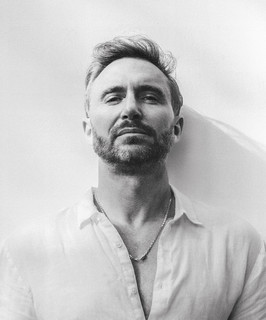
The producer who welded French house to American pop radio and never really stopped — a career built on the festival-sized chorus.
Songs that sound recorded live in a crowded room by accident — ragged, intimate, and completely singular, with a live band that pushes them even further loose.
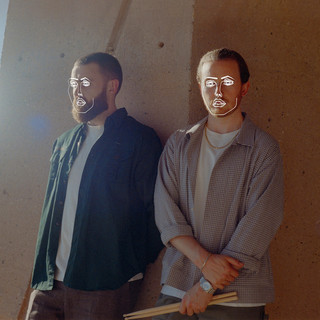
The Lawrence brothers made UK garage a global pop language, and still build the crispest, most vocal-forward house sets going.
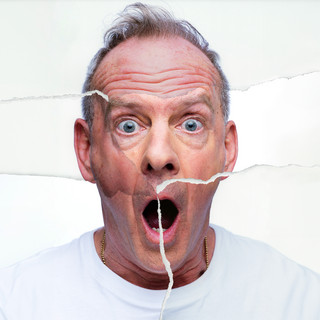
Right here, right now — big beat's showman, still one of the best party DJs alive, wielding 'Praise You' like a communal sacrament.
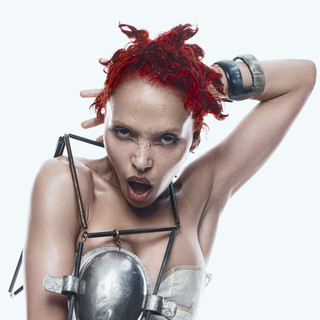
A dancer first, which shows: her records are built like choreography, all negative space and sudden violence in the low end.
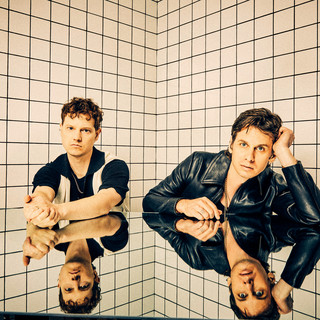
Sunny indie-pop hooks concealing consistently dark lyrics — a trick they've never stopped pulling since 'Pumped Up Kicks' snuck onto every radio.
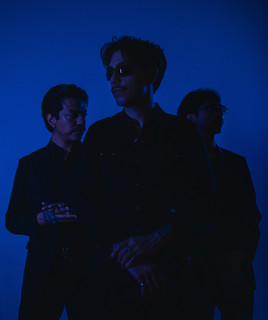
Chicago project trading in Spanish-language goth-pop — chorus-drenched guitars and a persistent 1985 chill, bilingual darkwave with a devoted following.

Gabe Real
Spare, devotional guitar songs about grief and faith, delivered in a voice that stays conversational right up until it doesn't.
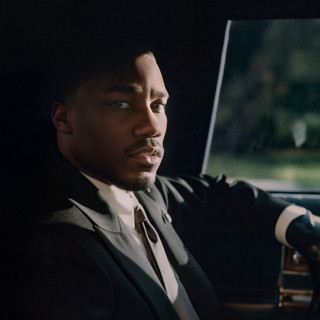
A baritone you can identify in one bar — slow-burning, orchestral R&B about love going quietly wrong, 'Heartbreak Anniversary' the calling card.
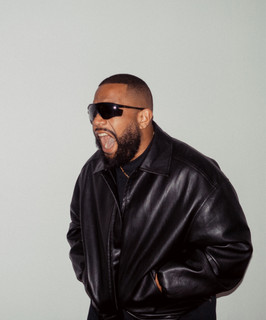
Formerly Carnage, rebuilt as a tech-house producer with a Latin percussion streak and a much better record collection — a genuine second act.
Green Velvet and Ayybo
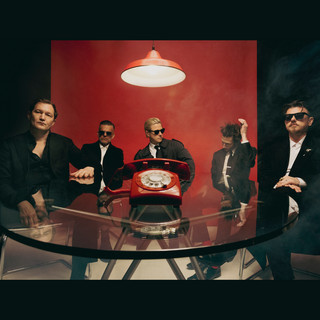
Early-2000s New York at its most funereal and best-dressed — interlocking guitars, Paul Banks's monotone, and no wasted motion, 'Turn On the Bright Lights' still immaculate.
Jaqck Glam
Juicewon
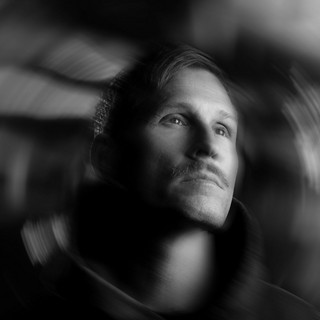
One of American dance music's steadiest hands — two decades of melodic, unapologetically emotional progressive house, from blog-era classics to stadium residencies.
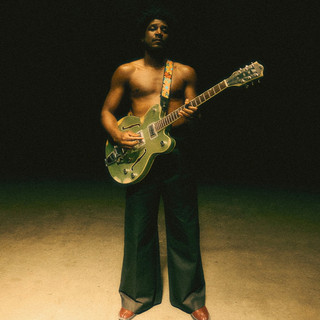
The Euphoria score come to life — falsetto gospel-pop maximalism, orchestral drama built by one of pop's most in-demand studio minds.
A classically trained cellist writing standards-shaped songs for people who found jazz through her — warm, wry, and quietly virtuosic.
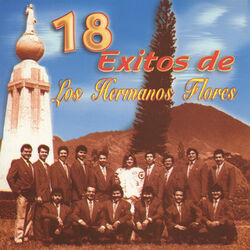
A Salvadoran institution since the 1960s — big-band cumbia that has soundtracked several generations of Central American parties, horns and all.
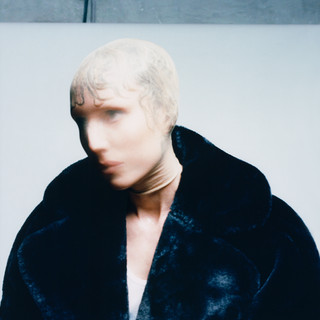
Swedish heartbreak in slow motion — from 'I Follow Rivers' to sadcore chanteuse, a decade-plus of gorgeous ache.
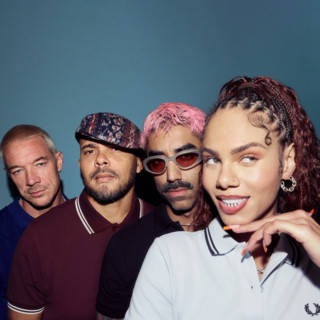
Diplo's dancehall-electronic party machine — pure festival serotonin, 'Lean On' and a dozen more global smashes in one set.
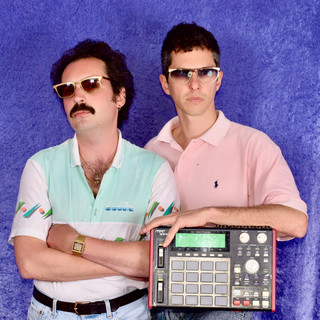
Andrea Tirone's Italo-disco project — glossy, bass-forward dance-pop with a distinctly Mediterranean streak, engineered for strutting.
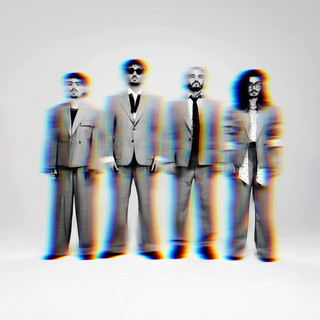
Colombian four-piece who put actual guitars back into Latin pop and became arena-sized doing it — folk-pop harmonies at stadium volume.
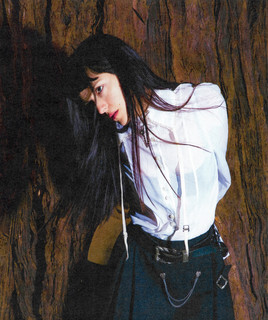
Anonymous collective making orchestral hip-hop spectacle — the mystery is the point, and the strings are real.
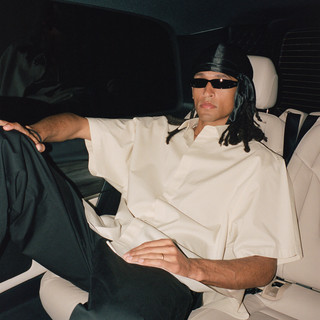
British tech-house producer with a taste for rolling basslines and vocal loops that lodge in your head for a week.
Record Safari
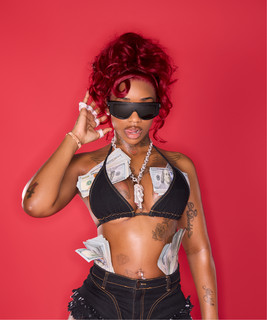
St. Louis rapper whose blunt, gleefully vulgar club records became some of the most quoted hooks in recent rap — decorum optional, hooks mandatory.
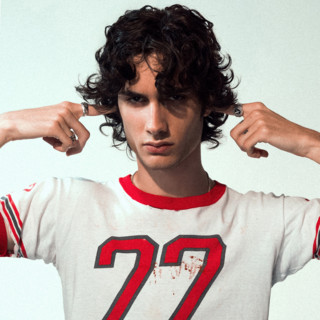
Moody, reverb-soaked alt-pop from a Manhattan teenager who went from bedroom demos to festival bills — heartbreak at streaming scale.
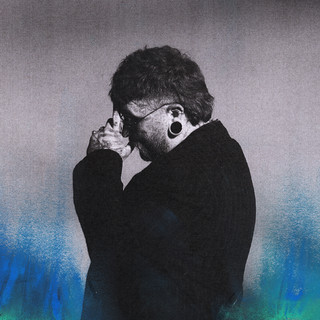
A tattooed Georgian with a genuinely enormous soul voice, who covered his way to a following and then wrote the heartbreak records to match.
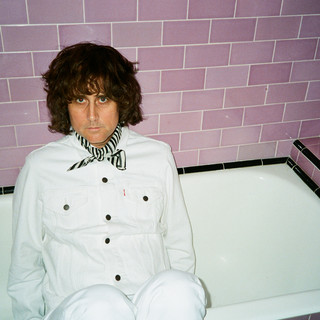
DFA dance-punk originators — 'House of Jealous Lovers' still detonates a field, cowbell and all, dance-punk history played live.
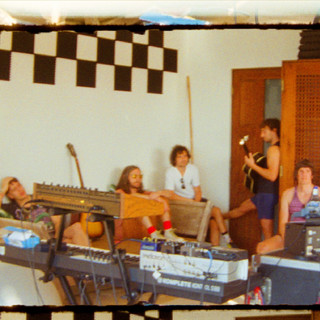
The band that rebooted New York rock — a deep catalog of deadpan cool, still untouchable live when the engine catches.
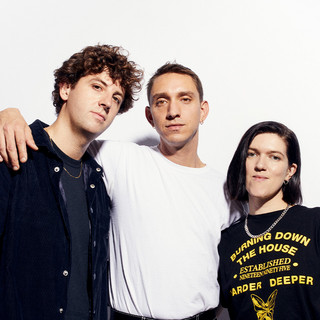
Whispered minimalism that somehow fills a festival field — intimacy at headline scale, 'Intro' still raising arm hair.
Tiffany Tyson
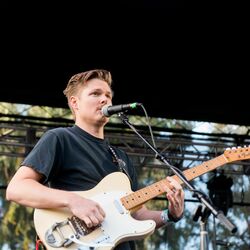
Long Beach trio playing lean, sunburnt surf-punk with the reverb up and the runtimes short — beach noir with a garage engine.
Hardcore's joyful crossover kings — dreamy interludes, stage dives, total communion, and a crowd that moves as one.

Deadpan, hook-loaded post-punk — the Isle of Wight duo grown into a full-blast rock band, 'Chaise Longue' just the opening joke.
Bass-music duo trading in sermon-heavy drops — the name is the mission statement.
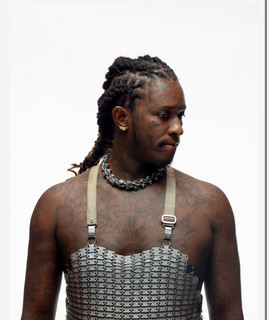
One of the most imitated voices in modern rap — an elastic, unpredictable melodist who rewired what a trap vocal could do.
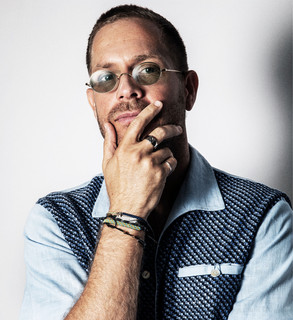
New York producer whose house sets favour warm, organic textures and vocal-led builds — dancefloor music with a distinctly sunlit feel.
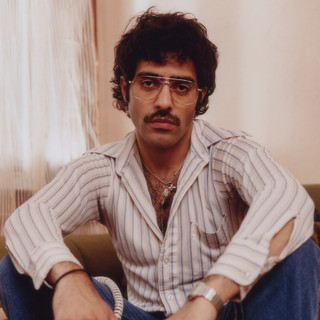
54 Ultra
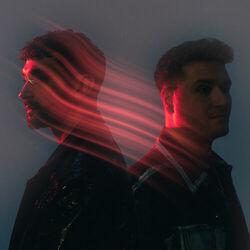
Swiss duo trading in long, patient melodic house — sets structured like weather systems rather than setlists, building pressure for an hour before finally letting it break.
Afrojack and Shimza
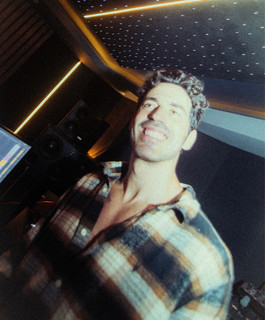
Arodes
Azzeca
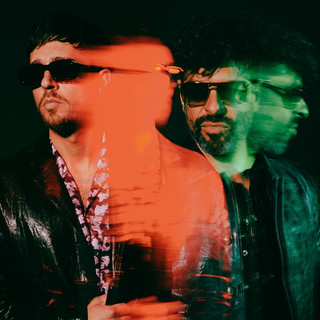
New York duo folding Middle Eastern instrumentation into slow, ceremonial house built for the small hours — desert mysticism rendered at dancefloor tempo.
UK tech-house craftsman with rolling, low-slung grooves — club tools built with real swing rather than big-room bombast.
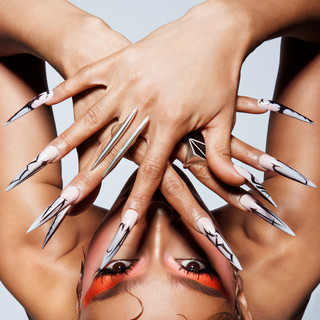
Massachusetts rapper with a flinty, unhurried delivery and a knack for the kind of hook that outlives the song around it.
The eight-piece that broke Filipino pop internationally — K-pop-grade choreography discipline applied to a distinctly local songbook, with a fanbase that travels loud.
The band that effectively invented American hardcore's touring model — Greg Ginn's atonal guitar still sounds like nothing else from 1981.
Los Angeles's oldest puppet theater, hand-operating marionettes since 1963 — a genuine civic institution rather than a novelty act, and a beloved palate-cleanser between sets.
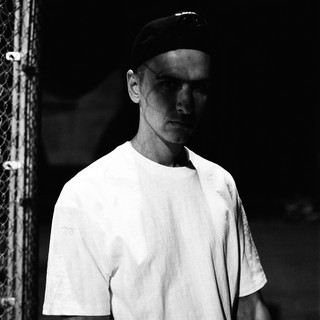
Alex Ridha's brand of electro is abrasive by design — hardware-driven, distorted, and consistently ahead of whatever is fashionable, two decades running.
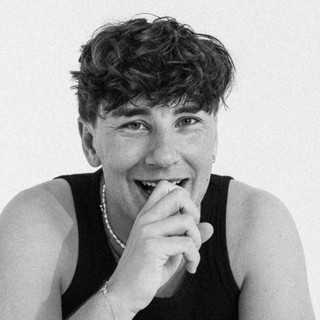
Banjo-house crossover — folk samples and organic textures with festival-sized drops, stomping the line between hoedown and main stage.
Cachiruja & Loojan
Bird singers of the Cahuilla people, whose songs carry the migration stories of the Colorado Desert they are native to.
Carlita and Josh Baker
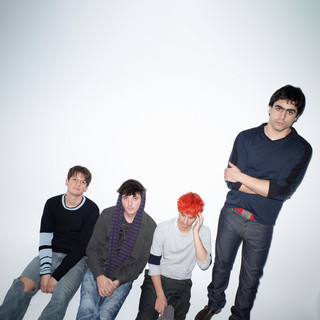
Madrid four-piece who made scrappy, funny, Spanish-language guitar punk a genuinely mainstream proposition at home — headliner status built on total irreverence.
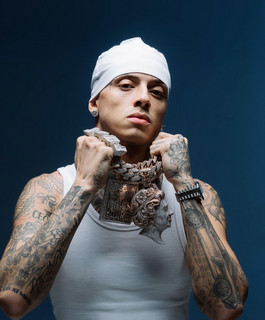
The most commercially agile voice in UK drill — melodic, conversational, and unusually good at making a local sound travel.
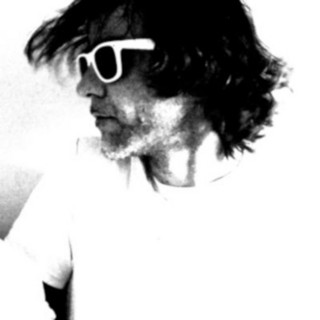
Bay Area band who started at powerviolence speed and walked themselves, album by album, into cold and excellent post-punk — one of hardcore's great evolutions.
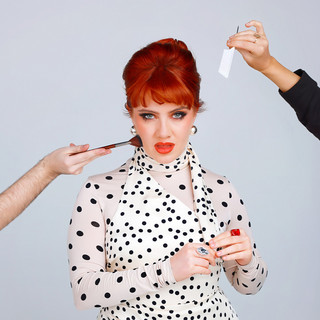
Irish country-pop with a wicked sense of humor and a bigger voice — a riotous live show that swings from comedy to gut-punch inside one chorus.
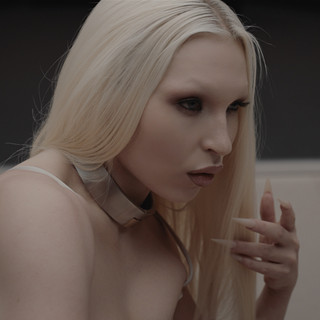
Swedish club provocateur making hard, latex-slick electronic pop for rooms with the lights off — fetish-fashion aesthetics welded to genuinely heavy club production.
One of the defining voices of Afrobeats' global decade — celebratory, horn-forward records built for very large crowds, delivered with a superstar's easy command.
Dubfire and Sharam's Grammy-winning partnership — the sound of American progressive house at its late-'90s peak, reunited and undimmed, marathon sets included.
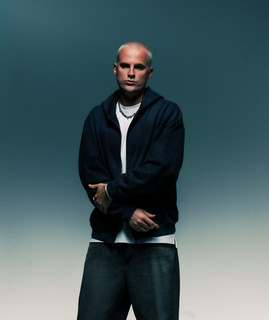
Dark, cinematic bass and techno crossovers from the LA underground — trap-schooled drops recast in warehouse shadows.
Akron's de-evolution theorists, whose jerky synth-punk and matching uniforms turned out to be far more prophetic than satirical — 'Whip It' only the most visible transmission.
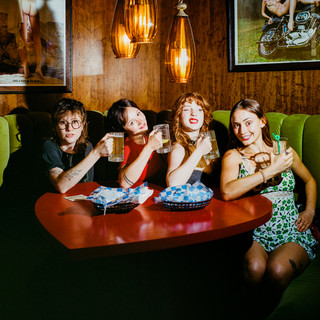
Austin's instrument-swapping all-women punk-metal wrecking crew — everyone plays everything, and it all lands at full force.
DJ Snake and Knock2
DJ Snake, RL Grime and Flosstradamus
Doom Dave
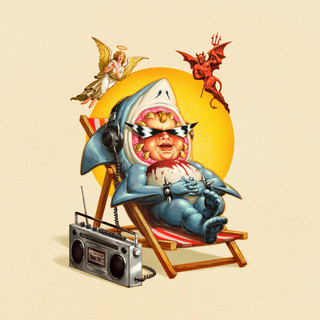
Sunny California hardcore that treats a circle pit as a party rather than a fight — the scene's most reliably grinning live band.
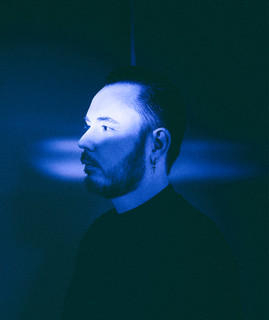
UK house classicist — 'Ocean Drive' sunsets guaranteed, with 'Need U (100%)' and a decade of chart-house craft behind them.
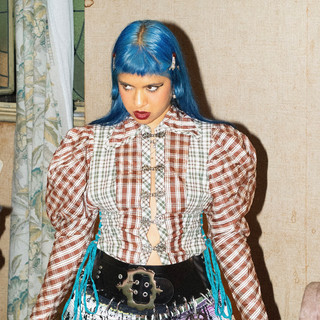
Genre-smashing Melbourne punk-rap — riffs, bars, and zero regard for lanes, delivered with a hardcore band's physicality.
Southern-gothic epics — hymn-like, haunted Americana that turns festival fields reverent, the 'Preacher's Daughter' mythology unfolding at its own patient pace.
UK underground rap's internet-native riser — lo-fi menace and offhand melody built for the timeline, low-lit tracks that travel by repost.

February
Vein.fm side project gone huge — grunge-gaze heaviness for the new generation, Deftones worship refracted through hardcore muscle.
Joyce Cisse's sunlit, unbothered indie-pop — the sound of someone who started making records very young and never got cynical.
Xenya Genovese's woozy, guitar-led bedroom pop, sung like she's half-asleep and completely certain — Manchester cool at a whisper.
A piano-led Japanese songwriter with a soul singer's phrasing, whose plainspoken records became unlikely pan-Asian standards — 'Shinunoga E-Wa' a sleeper global hit.
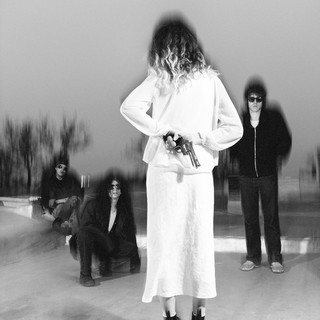
Unhinged Brooklyn art-rock — yelping, swaggering, and critically adored, like the Stones reassembled by art students mid-fever.
Genesi
Girl Math
Ned Russin's post-Title Fight project — short, synth-scarred punk songs that hit and then get out of the way, minimalism by a writer who knows what to cut.
'Superstylin'' and two decades of UK dance warmth — festival closers by trade, from chill-out classics to full-tilt house.
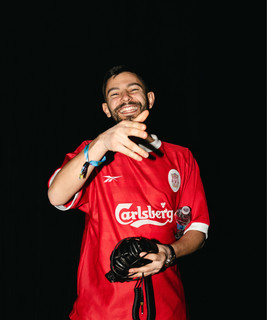
UK bass with a dancehall bounce — the sound of a soundsystem set rather than a festival drop, 'Skanka' the breakout.
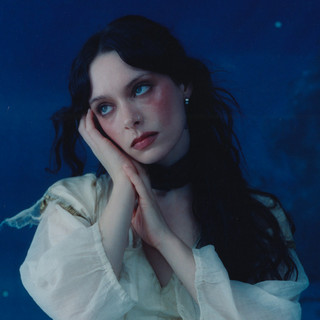
Bruised, cinematic alt-pop — Grantham's bedroom-to-BRIT-Award story, small-town detail sung in a fog of reverb, intimacy that scales to festival fields.
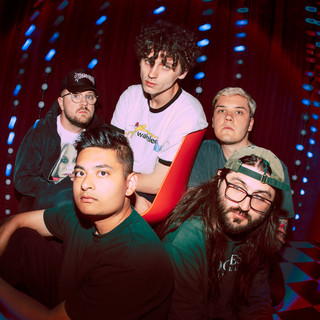
Midwest emo's chaotic favorites — screamed choruses, absurd song titles, real feelings, and a crowd that knows every word including the yelps.
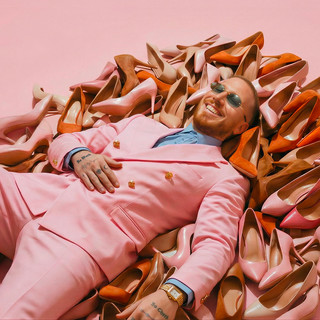
French producer specializing in sun-bleached Latin house — the kind of record that ends up soundtracking somebody's holiday, 'Morenita' proof of concept.
The godfather, shirtless as ever — punk exists because of this man, and the Stooges songbook still hits like a dare.
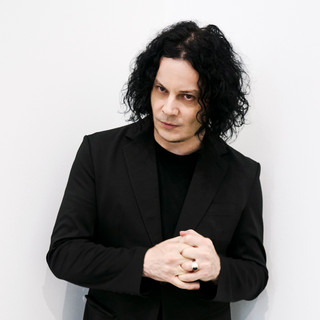
The White Stripes' architect, still committed to analog friction — old amps, unrehearsed setlists, and a guitar tone like a blown speaker.
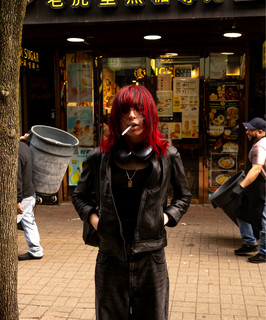
Digicore prodigy turned noise-pop auteur — abrasive and gorgeous at once, walls of distortion hiding devastating melody.
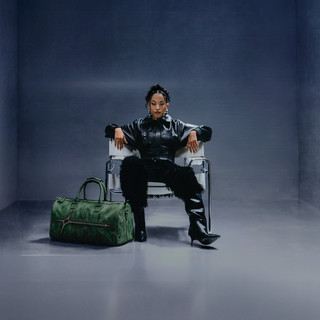
Irish DJ and vocalist whose warm, piano-led dance records went from club tool to chart fixture very quickly — 'Giving Me' the breakout.
Jessica Branka
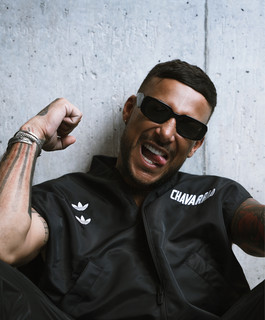
Joezi
Dutch rapper-comedian making maximalist, deeply sincere Eurodance-rap out of grief and internet nonsense in equal measure — 'Europapa' the joyful proof.
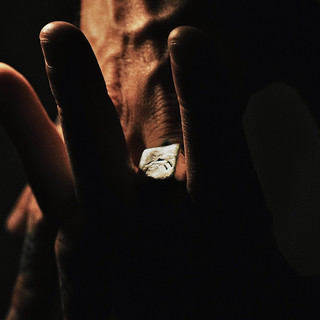
A London duo who treat the DJ set as a communal event — gospel-adjacent house built explicitly around the crowd's reaction.
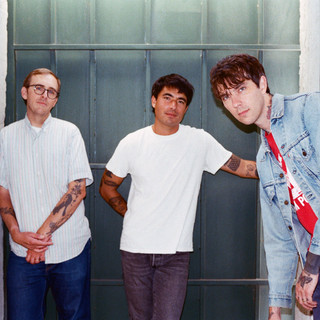
Southern California's most efficient punk band — two-minute songs, enormous hooks, and sets that are over before you've settled in.
Deceptively gentle country that smuggles in sharp jokes and sharper edges under the pedal steel — 'Golden Hour' grace with a Texas smirk.
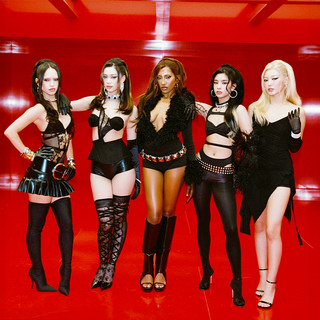
The global girl group assembled through a televised search, built on K-pop discipline but writing for a Western pop chart.
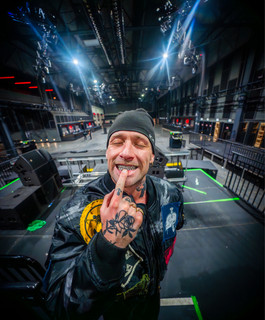
Irish rave-house heat — big-room energy with underground credentials, breakbeats and pianos at full sprint, Galway-to-warehouse momentum fully underway.
Le Yora
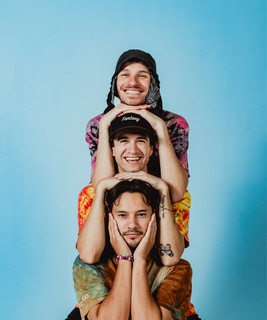
Trio riding the new melodic-bass wave — riddim with feelings, drops that aim at the chest and the heart at once.
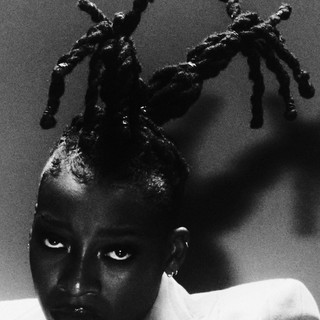
One of rap's sharpest pens, full stop — orchestral ambition and North London grit, 'Sometimes I Might Be Introvert' the modern benchmark.
Loboman
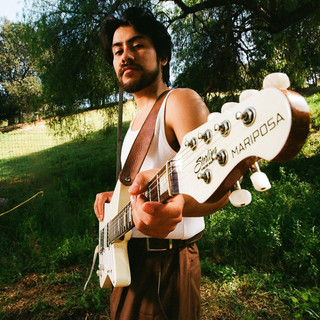
Oxnard bedroom balladry — '70s soft-soul romance on vintage keys, one-man-band craft with a crooner's patience.
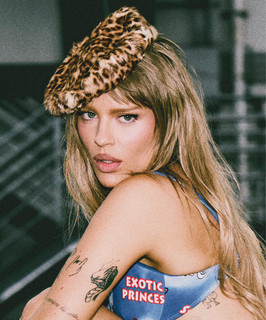
A Brazilian pop star who turned a very public personal life into some of the country's sharpest, most confrontational recent pop.
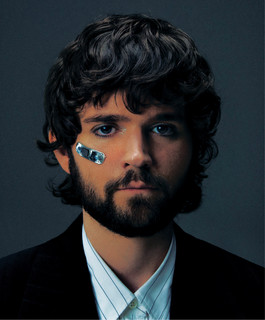
A prodigy who grew into a genuine songwriter — dense, sample-stacked electropop with an unusually bright emotional register, joy engineered live.
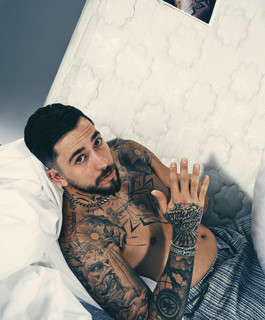
Turkish producer whose melodic house leans on folk melodies and vocal samples from well outside dance music's usual sources — Anatolian color at club tempo.
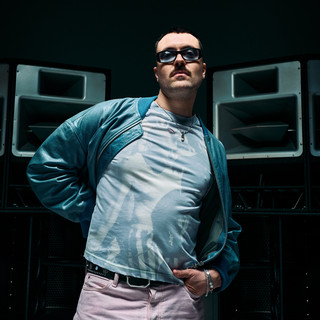
DJ Daddy Trance himself — Berlin's cheekiest revivalist making trance cool again, hands-up euphoria played fully sincere.

Massio
Max Dean and Luke Dean
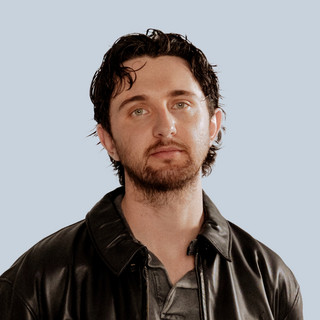
Sun-soaked tech house on the rise — California grooves tuned for pool decks and peak hour alike.
Spanish duo folding flamenco and classical strings into club sets — live violin over techno, played straight rather than as novelty.
Play-era electronic hymns from rave's elder statesman — euphoria with a conscience, gospel samples still lifting fields.
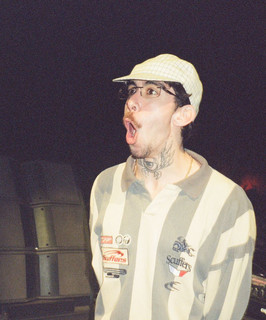
Brazil's house prodigy — swaggering, sample-happy sets that made him a global fixture overnight, Boiler Room charisma at main-stage scale.
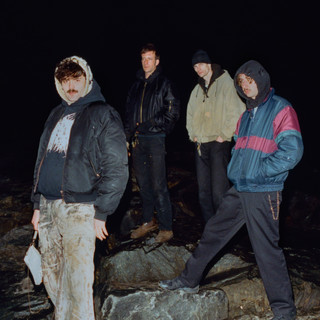
Sweat-slicked industrial post-punk — menace, glamour, and whispered filth, a frontman who prowls the crowd like it's his living room.
Galway four-piece dealing in gauzy, low-slung shoegaze with a persistent undertow of dread — Irish gloom in slow motion.
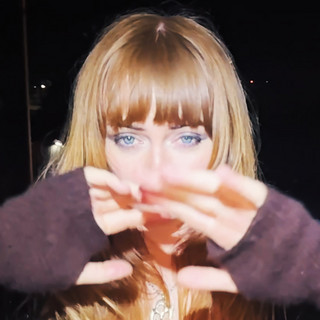
Glittering, game-engine electronic — Australia's most inventive young club producer, chiptune sparkle at rave pressure, drops that sparkle as hard as they hit.
Nine Inch Noize
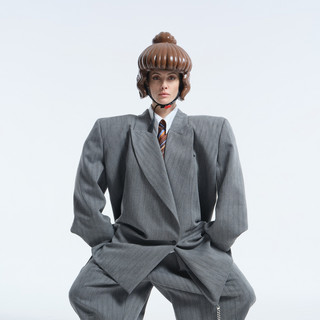
Percussive art-pop with attitude to burn — whip-crack delivery and choreography-grade live command, Tel Aviv beats with global swagger.
Novasoul
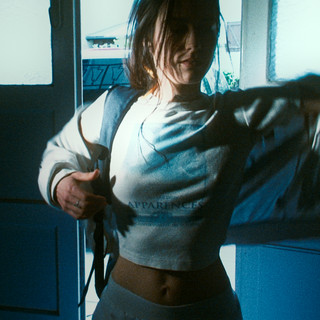
Gossamer French avant-pop — choral synths and whispered melody, songs that feel lit by candles and screens at once.
Panda and Chom
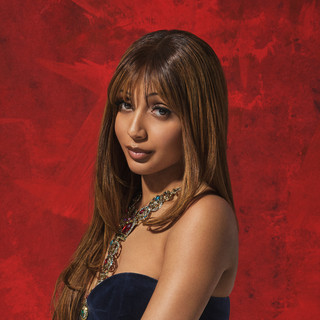
Two-minute drum'n'bass-pop confections — the internet's most influential songwriter-per-second, nostalgia sampled into something brand new, hooks gone before you can replay them.
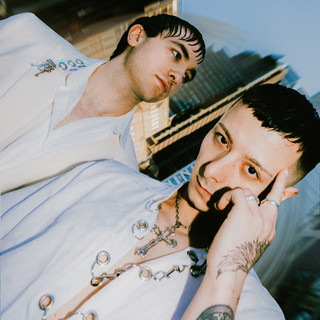
Leeds duo distilling UK rave history into widescreen, hands-up euphoria — piano stabs and breakbeats aimed at the sunrise.
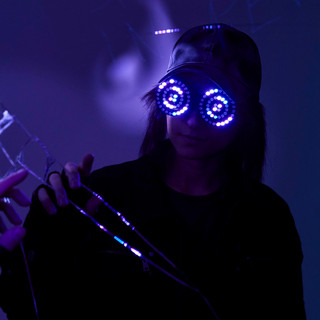
Isabelle Rezazadeh's hypnotic mid-tempo bass — slower than the room expects, and considerably heavier, hypno-goggles glowing all set.

Liverpool DJ-producer pushing bassline-flecked house — Merseyside heat in the garage revival's slipstream, club momentum rising fast.
Rossi and Chloé Caillet
Sydney duo making breezy, slightly stoned jangle-pop, plus a sideline in covers that keep outrunning their originals — 'Murder on the Dancefloor' included.
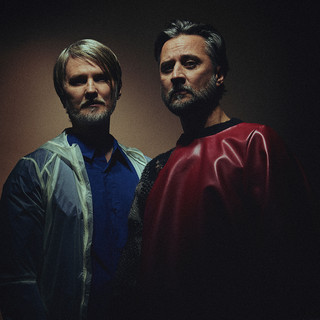
Norwegian duo who have spent 25 years alternating between glacial downtempo and outright pop, usually with a guest vocalist worth the wait.
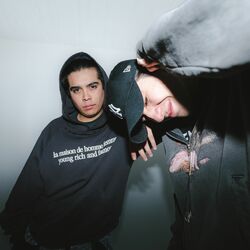
RØZ
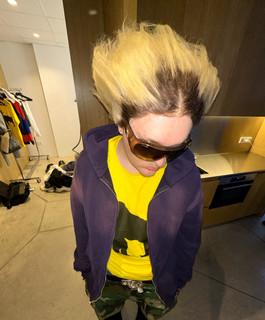
Madrid's blissed-out bedroom-pop futurist — Spain's new wave in full flight, autotune used like watercolor, bedroom experiments gone continental.
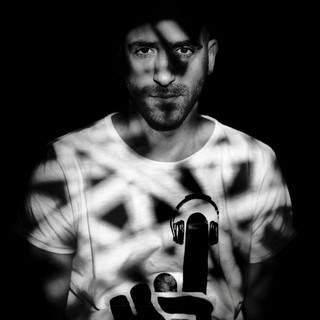
Israeli producer working the deep, hypnotic end of progressive house and techno — long builds and patient, textural arrangements.
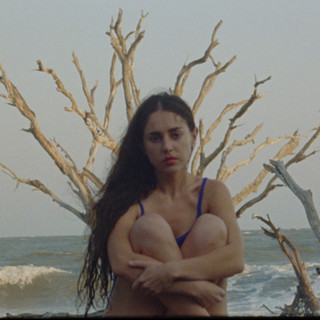
Devastatingly specific lyrics — the kind that name a brand or a street — sung with unnerving composure, and screamed back by devoted crowds.
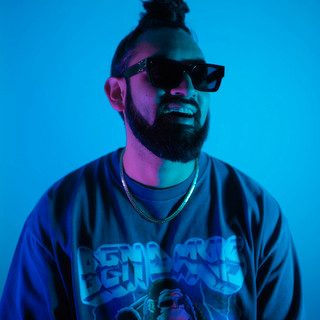
Seek-One
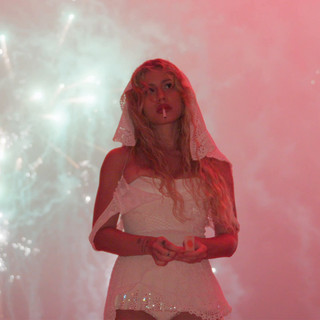
Glitter-and-grit dance-pop — Y2K excess reborn as main-stage camp, played with total commitment to the fantasy.

Sosa
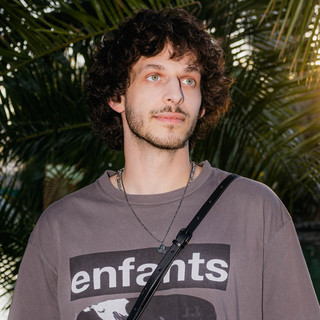
Riddim-dubstep heavyweight — appearing in the GRIZTRONICS b2b with GRiZ, an hour of pure bass warfare with a funk streak.
Venice crossover legends — 'Institutionalized' and a pit that never ages, Cyco Mike still leading the charge.
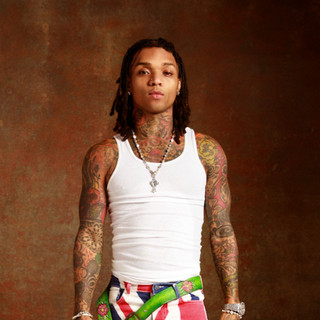
Half of Rae Sremmurd and one of rap's most reliable melody writers — the falsetto hook is basically a genre at this point.
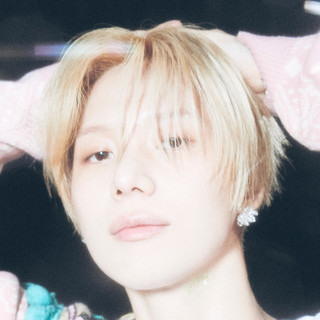
SHINee's dancer-turned-soloist, and the closest thing K-pop has to a pure movement artist — his solo work is built around the choreography.
Orlando Higginbottom, formerly Totally Enormous Extinct Dinosaurs — euphoric, vocal-led house from one of the UK's most melodic producers, ten years past the headdress.
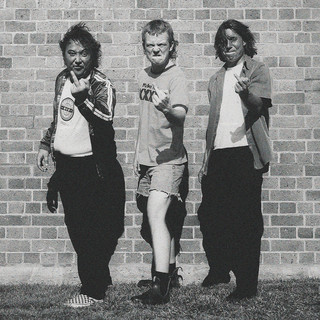
Australian pub-punk perfection — smoko forever, mullets and minute-long anthems about life's essentials, the nation's finest short-song economists.
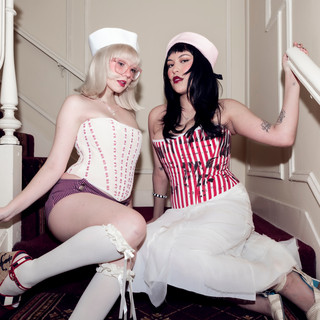
Atlanta indie-pop on the rise — bright hooks with local-scene momentum.
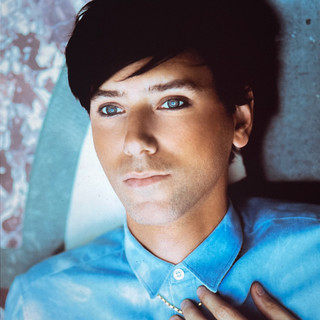
Montreal's arch electroclash survivor — deadpan vocals, filthy synths, and a sense of humor most techno lacks, 'Sunglasses at Night' included.
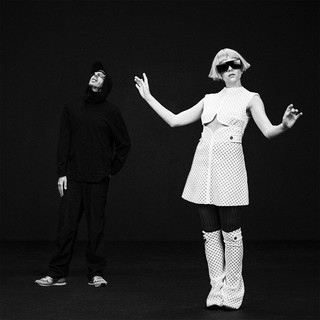
Tomora
Triste Juventud
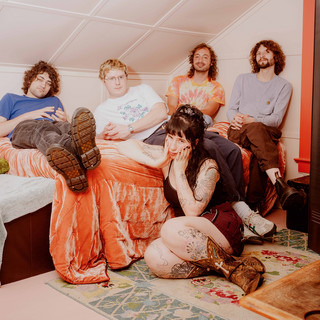
Asheville's country-gaze storytellers — lap steel, feedback, and busted-truck poetry, narrating the South's weird corners in high fidelity.
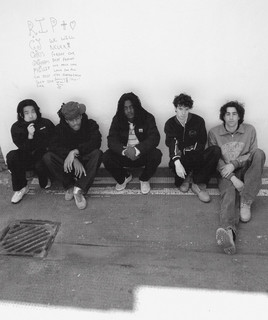
Whatmore
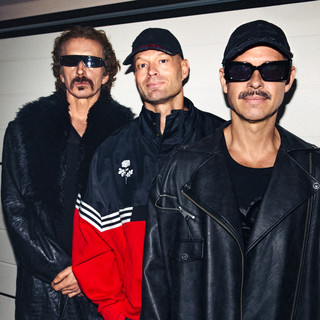
Danish trio who play electronic music as an actual band — live drums, vocals, and a knack for the euphoric build.
wydeflower
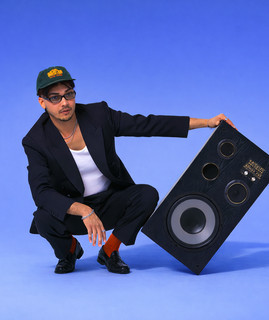
Yamagucci
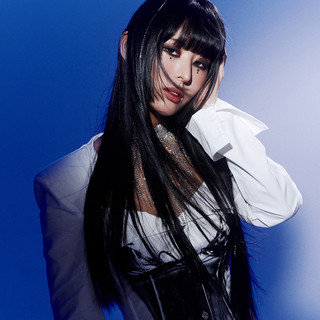
Youna
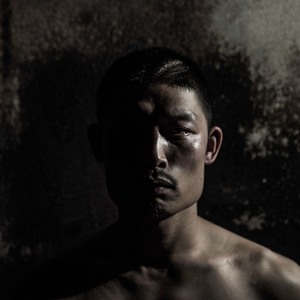
Osaka-born cult selector Yousuke Yukimatsu — genre-shredding DJ sets that went from viral clips to worldwide bookings, anything-goes technique with total joy.
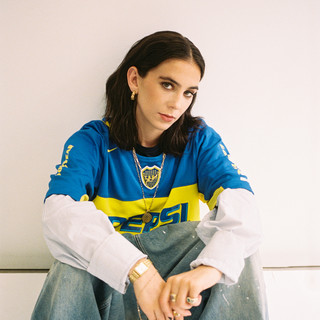
Zulan
The headliners
Sabrina Carpenter — Former Disney kid turned arena-filling pop force, trading in winking innuendo, retro-leaning production, and hooks engineered for maximum singalong — fully caffeinated live.
Anyma — Matteo Milleri's solo project, pairing cavernous melodic techno with AI-rendered visual worlds built for the biggest screens available — half DJ set, half sci-fi planetarium.
Justin Bieber — Two decades removed from the YouTube covers, still one of pop's most recognizable voices — lately drifting toward loose, atmospheric R&B.
Karol G — Medellín's biggest export since the reggaeton boom — a stadium-scale performer whose records mix perreo, bachata, and unabashed pop, delivered with world-tour polish.
Up-and-comers to catch early
Gigi Perez — Spare, devotional guitar songs about grief and faith, the kind of set that quiets a tent down.
Freak Slug — Woozy Manchester bedroom pop, sung like she's half-asleep and completely certain.
NewDad — Galway shoegaze with a persistent undertow of dread; a natural fit for a dark tent in the afternoon.
Flowerovlove — Sunlit, unbothered indie pop from a songwriter who started very young and never got cynical.
Blondshell — Plainspoken, furious guitar songs about bad relationships and worse coping mechanisms.
Royel Otis — Sydney duo whose breezy jangle-pop has a sideline in covers that keep outrunning the originals.
Bini — The eight-piece that broke Filipino pop internationally, one of several first-time Coachella performers in 2026.
Other acts worth planning around
David Byrne — Still turning the concert itself into choreography: marching ensembles, no cables, nothing where you expect it.
Devo — Akron's de-evolution theorists, whose jerky synth-punk turned out to be far more prophetic than satirical.
Black Flag — The band that effectively invented American hardcore's touring model, on a festival stage in the desert.
Iggy Pop — Six decades in and still the most physically committed frontman anyone has produced.
Deep Dish — Dubfire and Sharam's Grammy-winning partnership, reunited for the Quasar Stage.
Laufey — Standards-shaped songs for the people who found jazz through her: warm, wry, quietly virtuosic.
Turnstile — Baltimore hardcore that long ago stopped being only hardcore; one of the most reliable live sets going.
Kacey Musgraves — Took the Saturday Mojave slot on weekend two, in place of weekend one's Jack White.
The lineup by day
Most acts played both weekends and are listed under their Weekend 1 date (April 10–12). The few listed under April 17–19 played Weekend 2 only.
Friday lineup (April 10)
Sabrina Carpenter, Anyma, The xx, Teddy Swims, Record Safari, Disclosure + 53 more
Saturday lineup (April 11)
Justin Bieber, The Strokes, Giveon, Addison Rae, Jaqck Glam, David Byrne + 47 more
Sunday lineup (April 12)
Karol G, Young Thug, Major Lazer, Wet Leg, Tijuana Panthers, Gabe Real + 45 more
Saturday lineup (April 18)
Kacey Musgraves, DJ Snake and Knock2, DJ Snake, RL Grime and Flosstradamus, Madeon, Devault
Coachella 2026 lineup FAQ
Who headlined Coachella 2026?
Sabrina Carpenter headlined Friday, Justin Bieber headlined Saturday, and Karol G headlined Sunday, the first Latina artist to headline the festival. Anyma was billed as a fourth headliner on the Friday Coachella Stage.
When was Coachella 2026?
April 10–12 and April 17–19, 2026, at the Empire Polo Club in Indio, California. It was the festival's 25th edition.
Did the same artists play both Coachella weekends?
Almost all of them, yes. The exceptions in 2026: Jack White played weekend one and Kacey Musgraves played weekend two in the same Saturday Mojave slot, and the Quasar Stage ran a completely different Saturday bill each weekend (David Guetta, Afrojack and Shimza, and Joezi on weekend one; a DJ Snake takeover with Knock2, RL Grime, Flosstradamus, Madeon and Devault on weekend two).
How many acts played Coachella 2026?
168 across eight stages: the Coachella Stage, Outdoor Theatre, Sonora, Gobi, Mojave, Sahara and Yuma tents, and the Quasar Stage.
What happened to Anyma's first-weekend set?
It was cancelled after severe weather hit the festival grounds. Anyma returned later that weekend for a surprise Do Lab set with Marlon Hoffstadt, and performed the full headline production on weekend two with guest appearances from Lisa, Joji, Matt Bellamy and Swae Lee.
When is Coachella 2027?
Goldenvoice had not announced 2027 dates when this guide was last updated. Coachella has run across two April weekends at the Empire Polo Club every year since 2012, apart from the 2020 and 2021 cancellations, and the 2026 lineup was revealed in September 2025.
Festivals like Coachella
More festivals
Festivals in April 2026 →Music festivals in California →More EDM festivals →More House festivals →More Pop festivals →Full festival calendar →