Playing debut Count Your Blessings front to back for its 20th — a return to the feral deathcore they spent the next two decades outgrowing.
Sonic Temple 2026 Lineup
Four days of rock and metal on five stages at Columbus's Historic Crew Stadium: Tool, My Chemical Romance and Shinedown over a bill that ran deep into death metal and metalcore.
Sonic Temple 2026 has already wrapped, but you can still dig through the lineup and find the acts you would have loved.
Find the acts you'll love at Sonic Temple
Name a few bands you love and we'll scout all 145 acts on the Sonic Temple bill for the ones you shouldn't miss.
About Sonic Temple 2026
Sonic Temple took over Historic Crew Stadium in Columbus for four days in May, running 145 acts across five stages. My Chemical Romance opened Thursday, Shinedown took Friday, Bring Me the Horizon had Saturday, and Tool closed it out on Sunday.
What makes Sonic Temple worth a whole weekend rather than a headliner ticket is the stage split. The Temple and Cathedral stages carried the arena-rock and emo-reunion bill: All Time Low, Coheed and Cambria, The Used, Rise Against, Breaking Benjamin, an L.S. Dunes set and a Flyleaf reunion with Lacey Sturm. Meanwhile the Altar Stage ran an almost entirely separate extreme-metal festival: Behemoth, Cradle of Filth, Napalm Death, Dying Fetus, Cattle Decapitation, Suffocation and Fleshgod Apocalypse, all on the same ticket.
The Citadel and Sanctuary stages were where the current generation lived: Slaughter to Prevail, Whitechapel, 200 Stab Wounds and Carnifex on one, Dayseeker, Holding Absence, Magnolia Park and Catch Your Breath on the other. It is one of the few bills in the US where a deathcore fan and someone who came for the 2005 emo revival both get a full weekend.
Expect metal, hard rock, post-hardcore and rock across 145 acts.
Sonic Temple 2026 lineup & schedule: all 145 acts
Search it, filter by day, stage or genre. Save anything straight to your schedule.Browse all 145 acts →
Search it, filter by day, stage or genre. Save anything straight to your schedule.
Concept-album maximalists who treated emo as opera — marching-band drums, guitar harmonies, and a costume for every era, theatrical to the last note.
Brent Smith's enormous voice fronting two decades of rock-radio anthems, delivered with genuine showmanship rather than autopilot — 'Simple Man' cover included.
Prog-metal's cathedral builders — polyrhythms, lasers, and total audience surrender, Danny Carey's drumming alone worth the pilgrimage.
New England metalcore that leaned into melody early and got a career of radio singles out of it — trading screams for choruses at exactly the right moment.
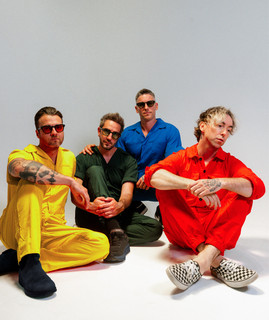
Maryland pop-punk heroes — two decades of fast, funny, chorus-first anthems, and 'Dear Maria' hits different in home waters.
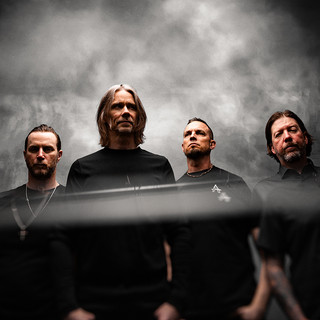
Mark Tremonti's riffs and Myles Kennedy's range built into two decades of arena-scale hard rock — a post-Creed project that long outgrew that framing.
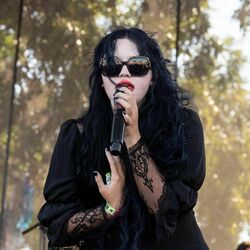
Solo alt-metal built from bedroom production upward — nu-metal bounce with a genuinely modern pop ear, at the front of the scene's internet-native new wave.
Sweden's Viking metal institution — melodic death metal with longship stage sets and choruses a whole field roars back.
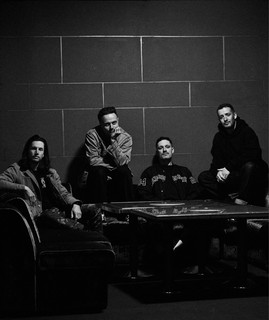
Brighton metalcore institution that rebuilt itself after the loss of founding drummer and chief songwriter Tom Searle, trading pit-focused aggression for something vast and cleanly engineered without losing the weight.
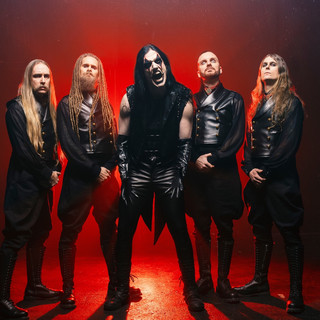
Swedish band who wrap groove-heavy, melodeath-rooted metal in full theatrical costume and greasepaint, fronted by Johannes Eckerström's ringmaster showmanship.
Polish blackened death metal staged like liturgy — corpse paint, fire, and riffs with genuine architectural heft, led by Nergal's decades-long war on the sacred.
Zakk Wylde's biker-metal brotherhood — pinch harmonics for days, Sabbath-weight riffs, and guitar solos treated as main events.
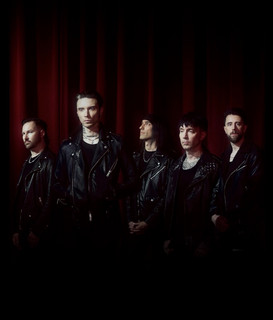
Warpaint-and-leather anthems — the black parade's glammer cousins, stadium-goth choruses delivered with total conviction, eyeliner-era devotion still marching.
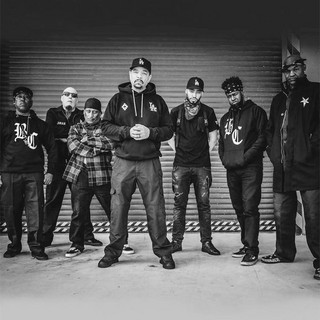
Ice-T's crossover thrash outfit, formed in Los Angeles with guitarist Ernie C at the end of the 80s — rap-honed political fury delivered at hardcore speed, and still no interest in softening it.
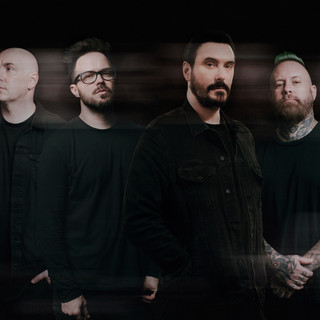
Pennsylvania's reliably heavy melodic rock — brooding verses, enormous choruses, and a catalogue that never chased a trend because the formula never stopped working.
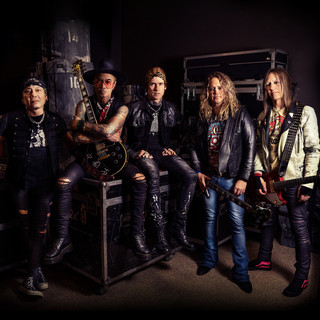
Los Angeles hard rock built on Josh Todd's rasp and unreconstructed sleaze-rock riffing — a late-nineties holdout still trading in the same swagger.
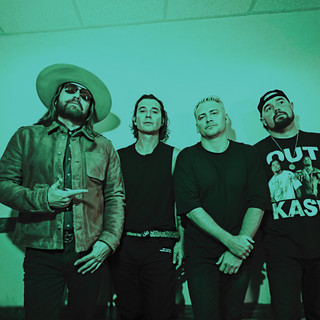
Gavin Rossdale's post-grunge outfit, whose mid-'90s singles have aged into genuine festival-crowd catnip — 'Glycerine' and 'Machinehead' still land like it's 1995.
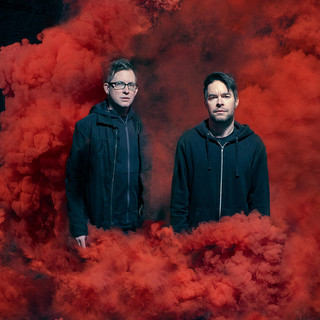
Illinois band led by the Loeffler brothers, three decades deep in heavy, tightly coiled alt-metal — 'The Red' and 'Send the Pain Below' still doing the work.

Spooky-kid nu-metal with detuned bounce and a goth streak the genre mostly abandoned — 'Loco'-era heaviness back from the grave.
Sci-fi concept-rock saga with arena hooks — 'Welcome Home' indeed, the Amory Wars mythology powering some of modern prog's biggest singalongs.
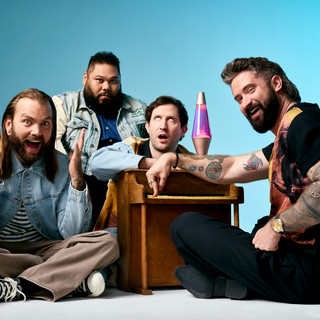
Swancore's funk-flecked flagship — technicolor riffs and dual-vocal whiplash, a prolific catalog that never stopped mutating.
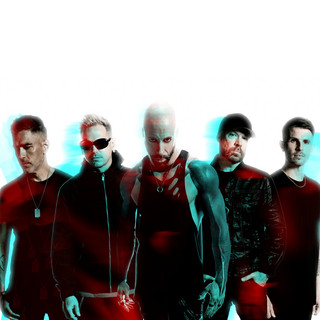
Chris Daughtry's band, which turned a talent-show runner-up finish into one of the more durable American rock careers of its era — big-chorus post-grunge built for arenas.
Rory Rodriguez's falsetto turned a metalcore band into something closer to devastating synth-pop with guitars — grief-heavy songwriting that broke the scene's mold.
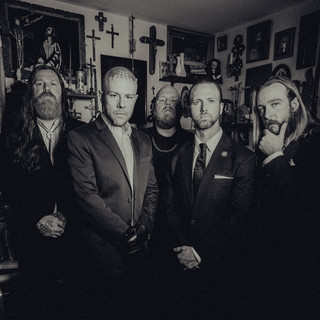
Seattle outfit founded by the Clark brothers, alternating crushing groove with big melodic choruses — faith-driven heaviness and a designer's eye for its own iconography.
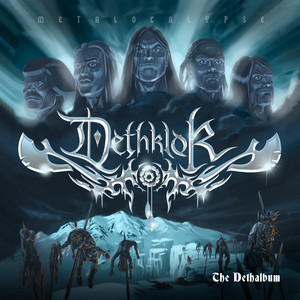
Metalocalypse's cartoon death-metal band, real and devastating live — Brendon Small's shred played against the animation at brutal volume.
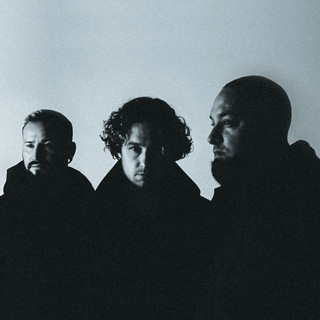
Memphis hard-rock outfit out of the late-2000s active-rock wave — blunt riffs and hooks built for radio rotation.
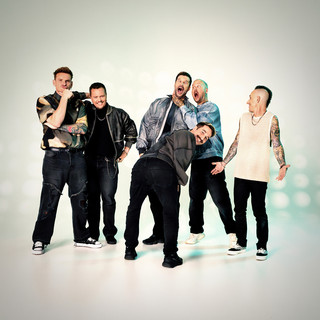
German trancecore turned full variety act — day-glo costumes, absurd videos, and breakdowns that genuinely hit, the internet's favorite metal party band.
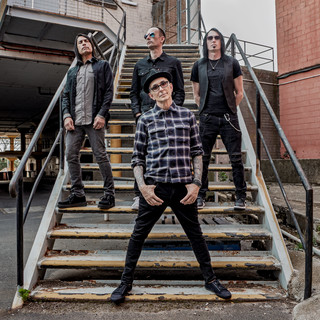
'Santa Monica' and Art Alexakis's survivor's-eye alt-rock — hard-luck autobiography set to some of the '90s' stickiest guitar hooks.
Mid-2000s alternative metal defined by Lacey Sturm's voice — fragile and full-throated, often inside the same line, with 'All Around Me' still the payoff.
Chris Jericho's rock band, long past the novelty stage and into a genuinely solid hard-rock catalogue — wrestling charisma applied to riffs.
Sully Erna's New England hard rock institution, built on percussion-heavy grooves and drum duels — arena-scale riffs since the late '90s.
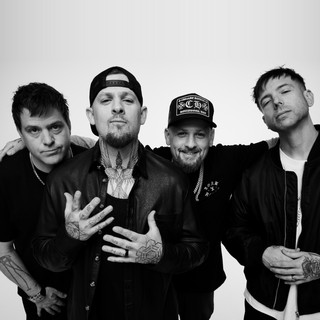
Maryland pop-punk built around twins Joel and Benji Madden, whose early-2000s run of radio singles defined the era's mall-punk sound.
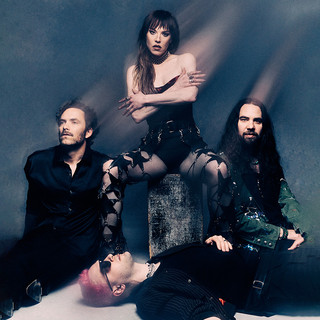
Lzzy Hale's Grammy-winning powerhouse — the loudest voice in modern hard rock, delivered nightly with full-throttle sincerity.
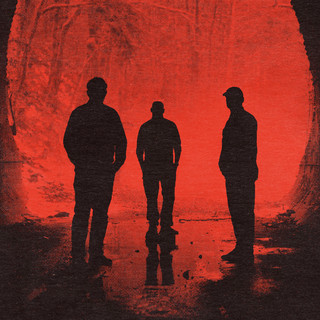
Ohio emo survivors whose mid-2000s records are still the reference point for the whole scream-over-the-chorus template — played now with veterans' gratitude.
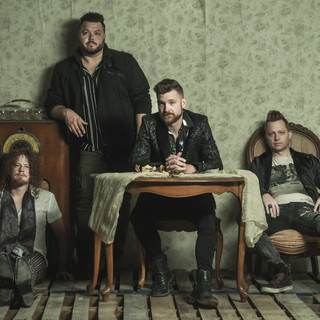
Oklahoma City post-grunge outfit whose 'Lips of an Angel' became inescapable in the mid-2000s — two decades of hard rock built around outsized radio hooks.

Gothenburg institution who helped write the melodic death metal template in the early nineties, then spent decades restlessly pulling it toward melody, electronics and stadium-sized choruses.
MCR, Thursday, and Circa Survive members' supergroup — urgent, veteran post-hardcore played like a first band, not a side project.
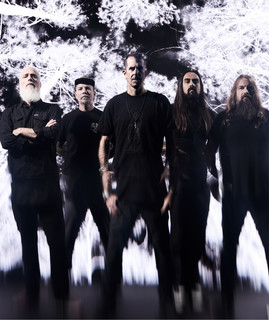
Richmond, Virginia's groove-metal institution, fronted by Randy Blythe's bark — riffs built for the kind of pit that clears a field.
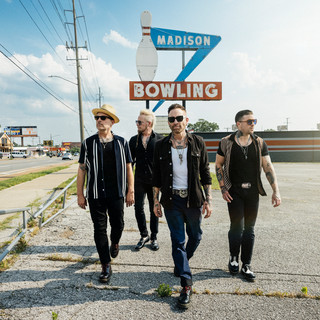
'My Own Worst Enemy' — one perfect song and a very good time, delivered by SoCal pros who know exactly why you came.
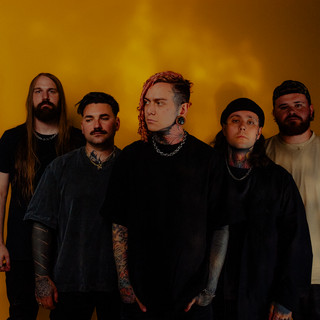
New Jersey deathcore act whose blackened, orchestral extremity broke out of the underground once Will Ramos took the mic — vocal contortion as spectacle.
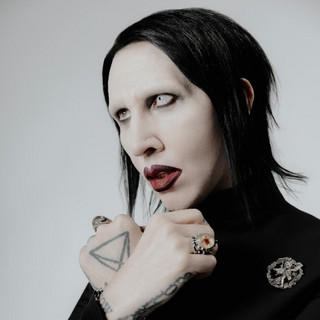
The 1990s' designated national panic — glam-industrial theatre staged with genuine pop instincts underneath, 'The Beautiful People' still a siren.
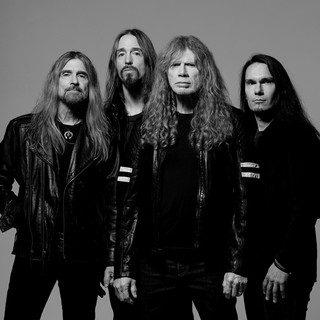
Mustaine's farewell campaign — thrash's most venomous catalog, one last ride through 'Peace Sells' and four decades of grudges.
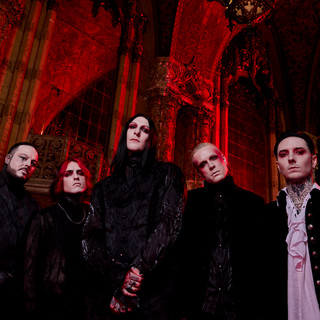
Horror-movie theatrics welded to industrial-tinged metalcore — corpse paint, synths, and choruses built for an arena singalong, Halloween as a year-round genre.
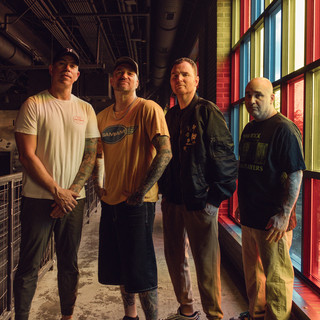
The pop-punk band other pop-punk bands cite — three decades of unreasonably durable hooks and a work ethic to match.

'Alive' and 'Youth of the Nation' — San Diego's nu-metal survivors, positivity intact through every scene cycle.
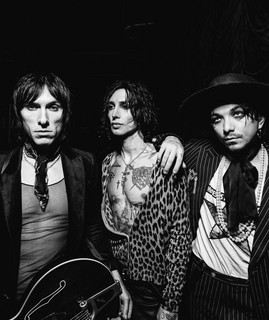
Three brothers making self-described fashion-art rock, glam theatrics wrapped around garage riffs — a band with one of the most devoted young fanbases in rock.
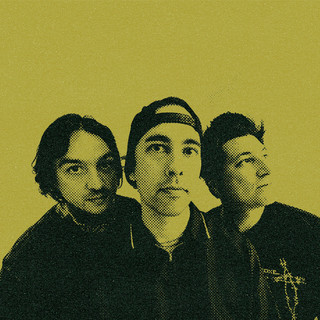
San Diego post-hardcore romantics enjoying a massive TikTok-era second act — the scene's most swooned-over comeback.
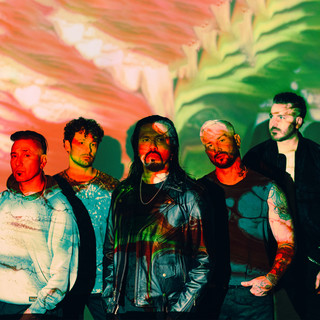
Michigan hard rock outfit fronted by Leigh Kakaty, two decades deep in riff-first radio anthems and relentless touring.
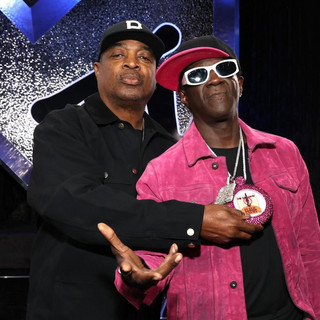
Chuck D's baritone over air-raid production — protest music that has never needed updating, with Flavor Flav as eternal hype engine.
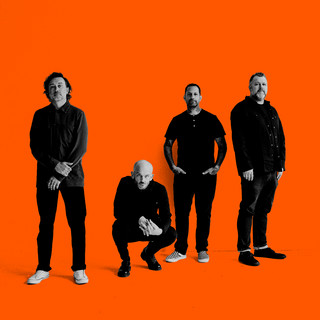
Chicago's melodic-hardcore conscience — two decades of fists-up anthems delivered with undimmed conviction, 'Savior' still closing rooms.
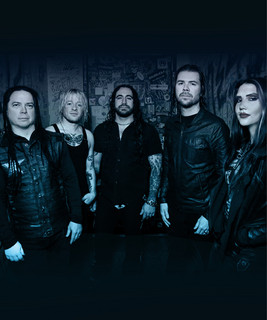
Memphis band from the nu-metal boom whose riff-and-hook formula outlasted the trend that produced it — three decades of rap-inflected hard rock.
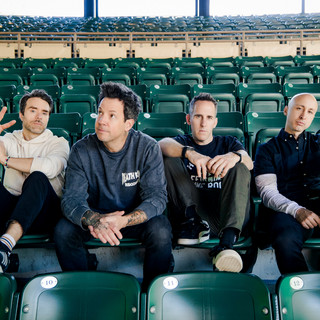
Montreal pop-punk that took the genre fully mainstream and has never pretended otherwise — 'I'm Just a Kid' now two generations deep.
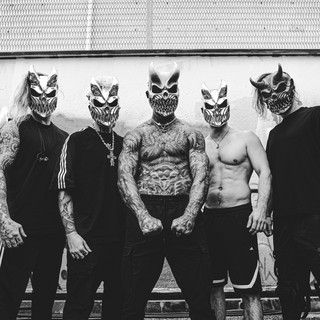
Alex Terrible's subterranean roar over deathcore built like siege machinery — as much spectacle as band, and heavier than both.
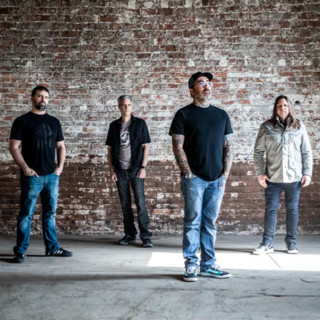
Aaron Lewis-fronted Massachusetts band whose heavy, confessional post-grunge dominated late-'90s and 2000s rock radio — reunited and playing loud again.
Grunge-era hitmakers with a glam streak their peers were too earnest to attempt — 'Plush' through 'Interstate Love Song', hooks for days.
Sun-bleached ska-punk-dub hybrid, now carried by Bradley Nowell's son with the songs left intact — '40oz. to Freedom' forever.
Venice crossover legends — 'Institutionalized' and a pit that never ages, Cyco Mike still leading the charge.
Moody, bass-heavy alt-metal that trades breakdowns for slow-building dread and falsetto — 'FEEL NOTHING' the crossover moment.
Jacksonville post-hardcore whose one inescapable single has kept the whole catalogue in rotation for two decades — 'Face Down' still hits its mark.
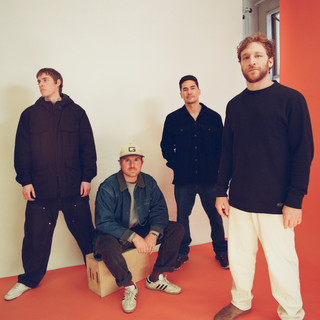
Modern pop-punk standard-bearers — gruff, fast, and beloved, Walnut Creek's chip-on-shoulder anthems in full stride, pits and singalongs in equal measure.
Bert McCracken's scream-to-croon whiplash defined a corner of early-2000s post-hardcore and still detonates live — the chaos aged into craft.
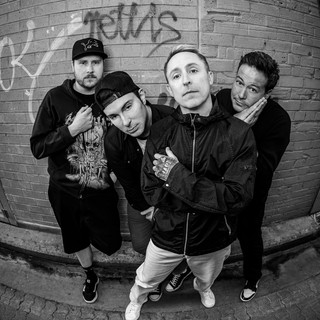
Violin-powered pop-punk — 'Ocean Avenue' at the actual ocean, and the violin still carries the hooks.
Zakk Wylde playing Sabbath songs with reverence and absurd volume — a tribute act with a guitar hero attached, pinch harmonics included.
Cleveland's contribution to the new-school death-metal revival — filthy, mid-paced, and built entirely around the riff, with the kind of grooves that turn a pit violent in seconds.
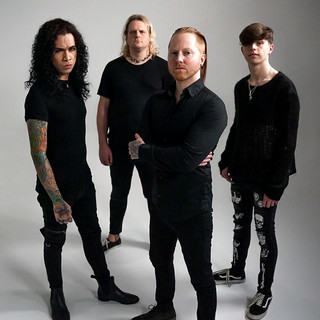
Californian post-hardcore mainstays of the late-2000s scene, built on Michael Jagmin's high clean vocals cutting against screams and keyboard flourishes.
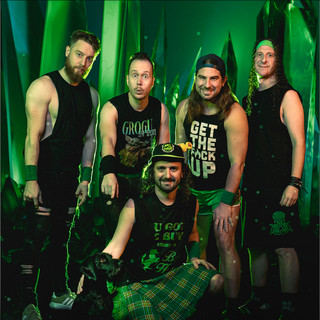
Scottish crew who turned pirate metal from a joke into a career — keytar shanties, folk-metal riffing and drinking songs delivered with total commitment.
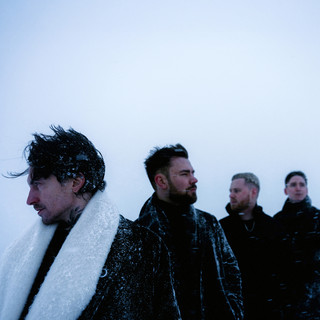
Swedish outfit formed in Örebro at the start of the 2020s, welding djent-adjacent rhythmic precision to metalcore's melodic instincts — technical without turning bloodless.
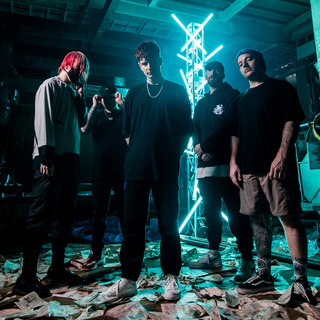
Melbourne heavyweights central to metalcore's nu-metal turn — detuned bounce, panic chords and vocals that swing between screamed and spat.
Anberlin with Stephen Christian
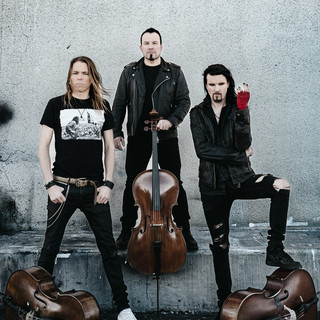
Classically trained Finnish cellists who started by covering Metallica and never stopped headbanging — symphonic metal where the strings genuinely shred.

As You Were
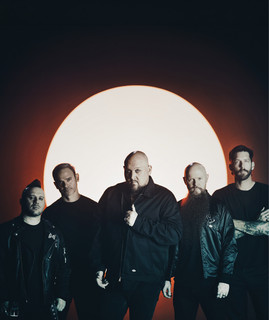
OC metalcore originators — 'Lip Gloss and Black' nostalgia with new-era polish, from a band that helped write the genre's melodic playbook in the first place.
Party-deathcore built for the pit — Chris Fronzak's bark, gleefully profane anthems, and absolutely no interest in anyone's approval.
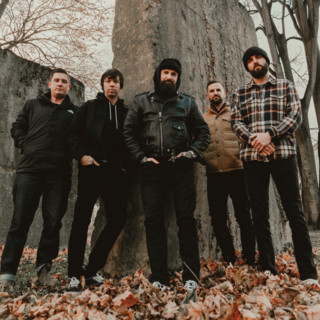
Pennsylvania metalcore mainstays two decades deep, built on Matt Greiner's restless drumming and riffs that refuse to sit still — precision at pit volume.
Brooklyn crew who fused hardcore aggression with hip-hop cadence long before that was a formula — street-level heaviness with the accent left in.
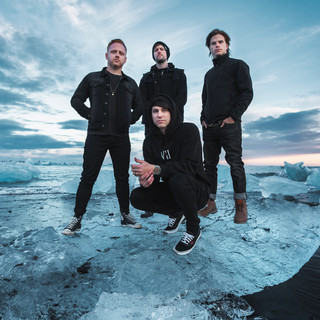
Clean-and-scream metalcore from the Rise Records boom, played with more muscle than nostalgia — Phoenix scene veterans who kept the choruses enormous.
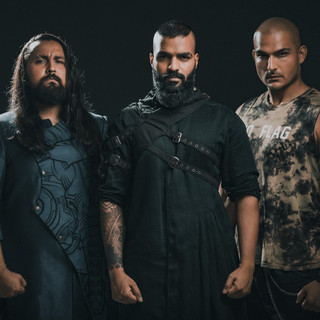
Indian nu-metal with dhol and flute in the front of the mix — anti-hate lyrics over some of the heaviest grooves going.
Florida beatdown with no interest in subtlety — grief and rage compressed into two-minute assaults, as heavy emotionally as it is sonically.
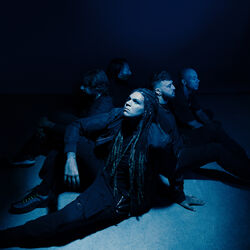
Toronto deathcore built on cinematic orchestration and manga-inspired imagery — pitch-shifted vocals and breakdowns arranged like a boss battle.
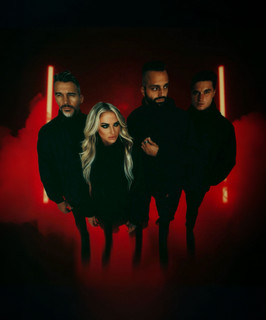
Los Angeles band built on duelling front-women trading screams and clean hooks, with a shock-rock streak inherited from the Plasmatics.
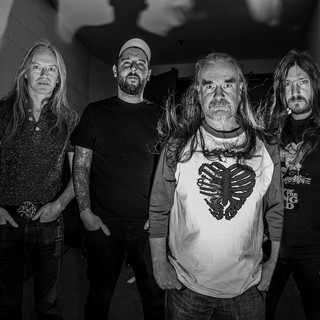
Liverpool extremists who began in grindcore squalor and ended up writing some of the sharpest melodic riffs death metal has produced — decades on, still gleefully clinical.
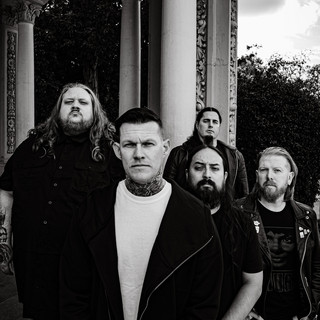
Blackened deathcore with a genuine sense of atmosphere under all the tremolo and blastbeats — grim, symphonic weight that outlasts the genre's shock tactics.
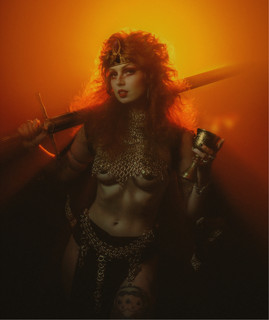
Brooklyn doom theater — Sabbath-lineage riffs delivered by a costumed cast with the Rat Queen out front.
Texas metalcore with a big melodic centre — the kind of band that grows a stage size every touring cycle.
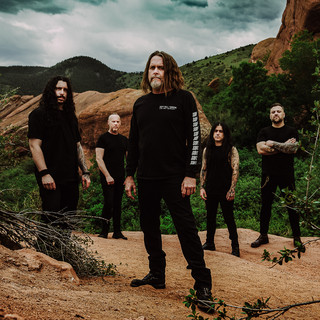
Misanthropic eco-horror deathgrind, with Travis Ryan's clean-shriek hybrid doing something no other vocalist quite manages — apocalyptic themes played at extinction speed.
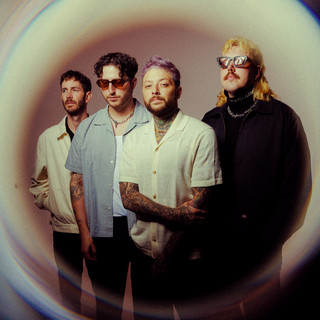
Utah deathcore that keeps finding new floors beneath the floor — a decade-plus of low-tuned punishment that only got nastier with time.
Craig Owens's theatrical post-hardcore, reunited — MySpace-era drama with real stakes, piano flourishes and that unmistakable swooping vocal intact.
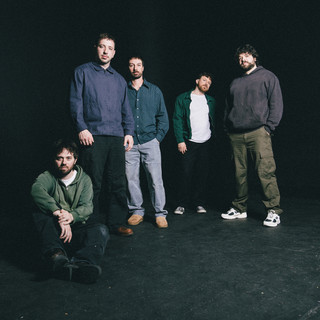
Grunge-weight emo that has quietly drifted toward something looser and poppier without losing the murk — Toledo's finest, still evolving album over album.

Conquer Divide
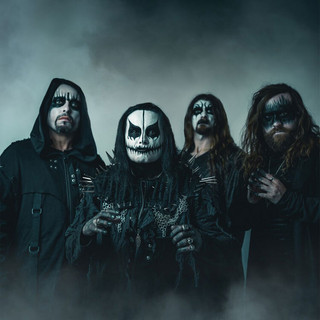
Gothic-horror black metal with orchestration, shrieks, and a theatrical streak a mile wide — extreme metal's most committed haunted-house act.
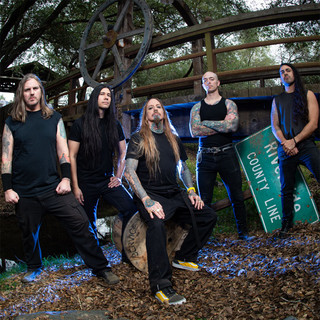
Dez Fafara's post-Coal Chamber outfit, grinding groove metal under a bark of a vocal — two decades of relentless touring behind it.
Symphonic-leaning blackened deathcore assembled with orchestral bombast and technical density — extremity arranged like a film score.
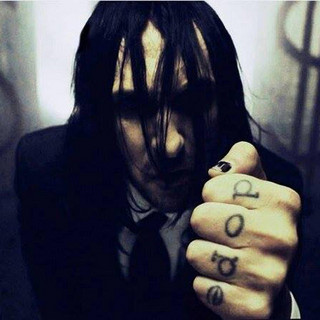
Edsel Dope's industrial nu-metal outfit, hardened on the late-'90s package-tour circuit — sneering electronics and a cover of 'You Spin Me Round' that outlasted its moment.
British power metal at absurd velocity — twin-guitar solos treated as an extreme sport, delivered with a knowing grin that never undercuts the musicianship.
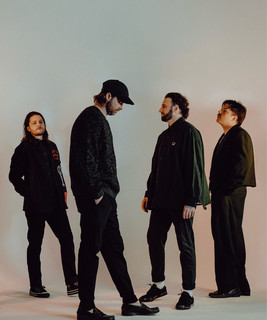
Mid-2000s Colorado post-hardcore band who ran synths and electronics through screamo at the peak of that scene — back on stages after years of silence.
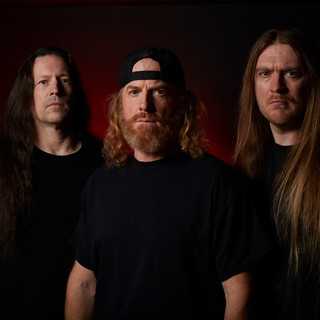
Maryland death metal built on impossible riffs and a groove that sneaks up under all the brutality — three-piece precision at full slam.
Louisville band from the early-2000s nu-metal wave, still working the same mix of downtuned churn and confessional vocal hooks.
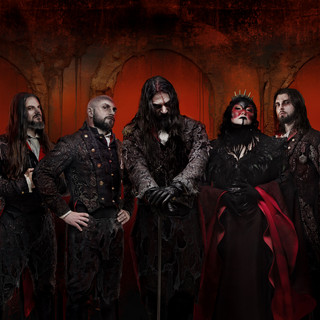
Italian death metal with a full orchestral apparatus and an operatic streak played completely straight — tuxedos, corpse paint, and blastbeats in formalwear.
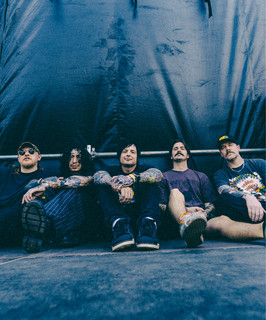
Mid-2000s screamo whose most famous alumnus left to become a dubstep producer — 'Dear Diary' drama that still hits the scene's pleasure centers.
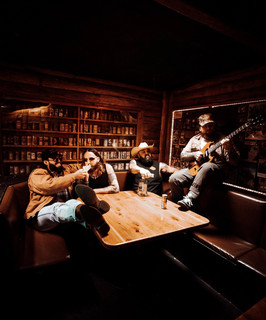
Alabama metalcore turned mean — melodic roots swapped for something nu-metal-adjacent, and the heaviness pays for the trade.
Welsh post-hardcore romantics — soaring, heart-first heaviness, every chorus written to be wept through, Cardiff sincerity at full wingspan.
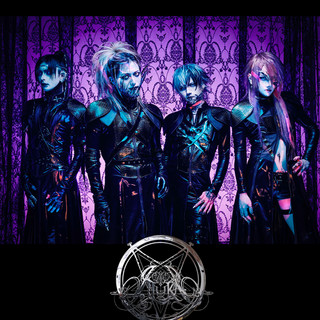
Japanese visual kei group active since 2013, welding digitally processed heaviness to full theatrical presentation — costume and choreography played entirely straight.
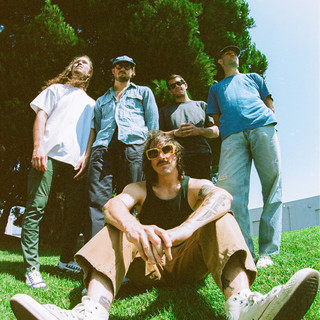
Chicago-area group who came up in the 2010s pop-punk revival, pairing scrappy melodic hooks with a rawer emo streak than most of their peers.
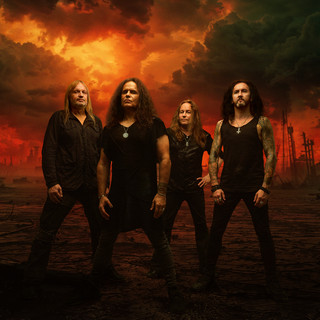
Mille Petrozza's Essen institution, a cornerstone of German thrash since the early '80s and still sharpening the same blade four decades on.
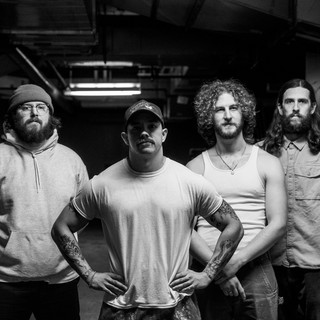
Texas hardcore at its most punishing — mosh calls with a message, and a low end that treats subtlety as a character flaw.

Left On Red
Orlando pop-punk that pulls freely from hip-hop and hyperpop and refuses to pick a lane — genre loyalty traded for pure momentum.
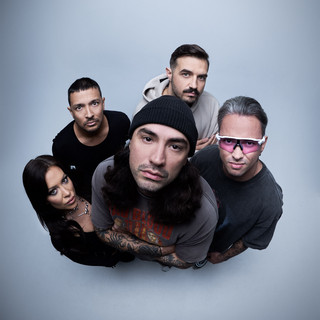
Perth deathcore act that has folded symphonic keyboards and clean vocals into its brutality since 2009 — melody used as pressure, not relief.
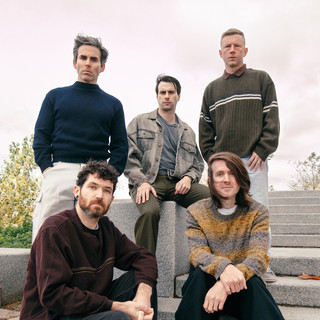
Warped Tour survivors trading in the specific ache of a song you loved at sixteen — 'Miserable at Best' still empties the tear ducts.
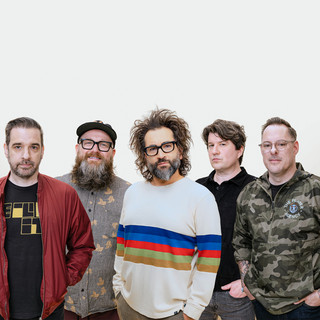
Moog-powered anxiety anthems — 'Commit This to Memory' remains scripture, and 'Everything Is Alright' remains a group confession.
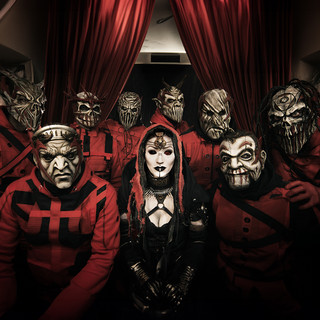
Cleveland masked-metal institution predating most of the nu-metal wave — painted faces, dual vocalists and a rotating cast held together for decades.
The band that essentially invented grindcore, still politically ferocious and still capable of a song shorter than this sentence — Birmingham's loudest export.
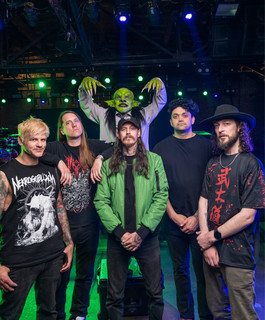
Melodic death metal about goblins, performed with a technical seriousness that makes the joke land harder — dancing goblin mascot included.

Nerv
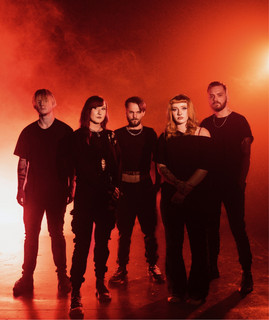
Not Enough Space
Novelists
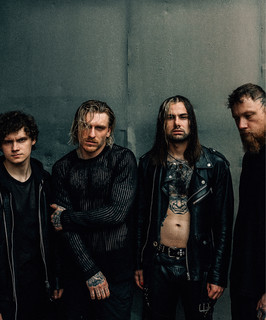
Swiss beatdown with a genuinely unsettling vocal performance sitting on top of the chug — Europe's heaviest recent export.
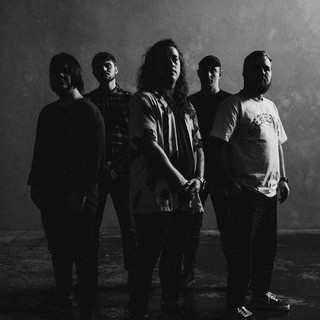
Sydney metalcore built on intricate, melodic riff architecture and hard clean-to-scream swings — precision-tooled heaviness with real emotional weight.
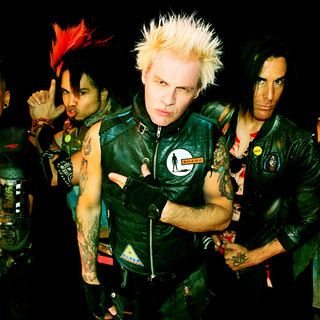
Spider One's long-running industrial metal outfit, built on sci-fi B-movie imagery and pneumatic riffs — 'When Worlds Collide' still detonating three decades on.
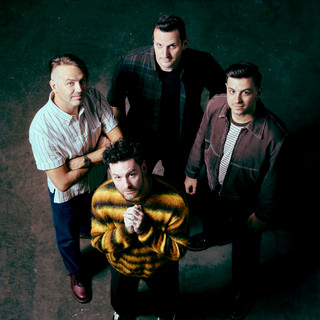
New Jersey post-hardcore that got angrier and more political as it aged, not softer — Buddy Nielsen leading with total candor.
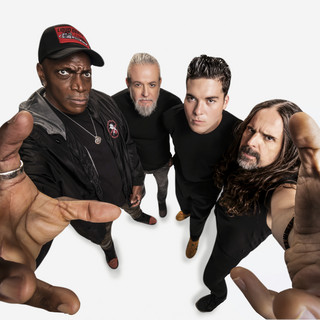
Brazil's metal export to the world — Roots-era tribal thrash that reshaped heavy music's map.
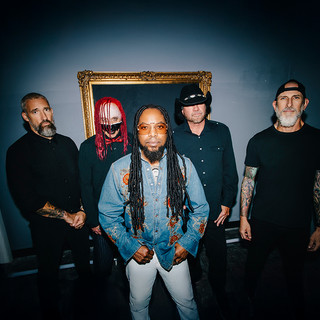
Lajon Witherspoon's soul-trained voice over grinding alt-metal — the reason they outlasted the scene, and the warmest crowd in heavy music.
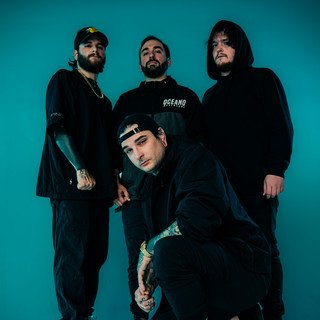
American deathcore at its most relentless — downtuned slams and guttural low end delivered with enough precision to keep the brutality legible.
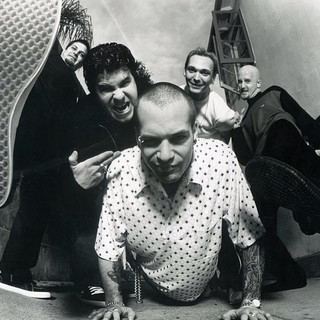
Late-'90s funk-metal cut short by tragedy — hyperactive, punk-fast, and still fondly guarded by everyone who caught them the first time.
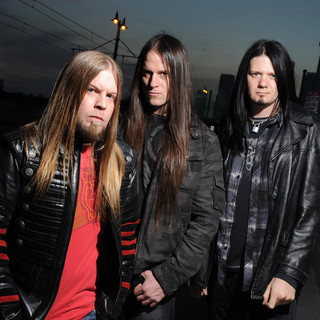
Late-nineties American heavy rock act that came up through the post-grunge and alt-metal churn and never softened the riffs.
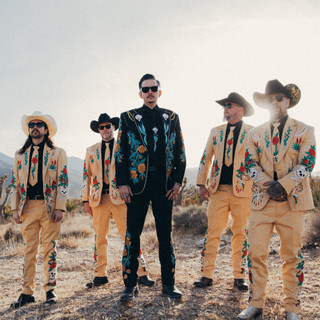
Stu Folsom's Las Vegas project welding thrash riffs to metallic hardcore, wrapped in outlaw-Western imagery and desert dread rather than the usual genre furniture.
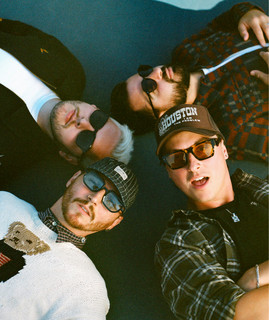
Albany pop-punk built on Derek DiScanio's sugar-rush hooks and guitar work tight enough to survive the breakdowns — a decade-plus of the genre's second wave.
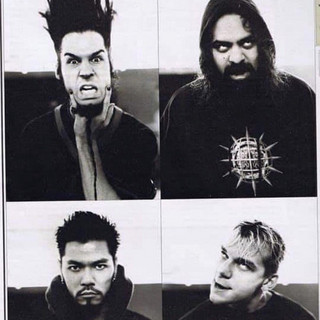
Los Angeles industrial-metal machine behind the 'evil disco' churn of Wayne Static's era, carrying the catalogue forward with the surviving lineup and a masked frontman.
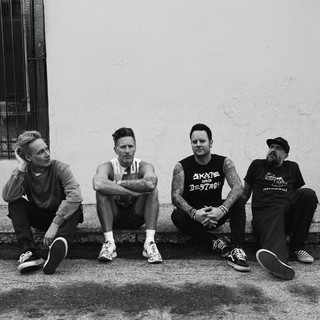
St. Louis screamo-adjacent survivors of the early-2000s emo boom, still built around gang vocals, acrobatic stage energy and 'Until the Day I Die.'
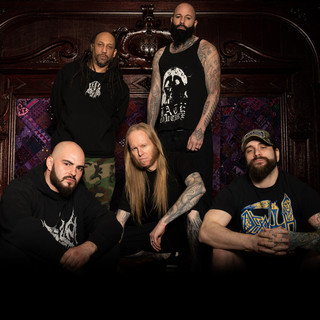
New York death metal originators, and the band most responsible for the breakdown as a technical device rather than a gimmick.
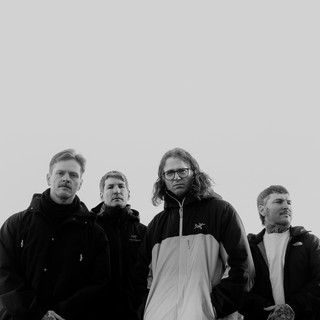
Queensland metalcore veterans two decades deep, alternating screamed verses with huge clean choruses — heavy music that never hides its emotional stakes.
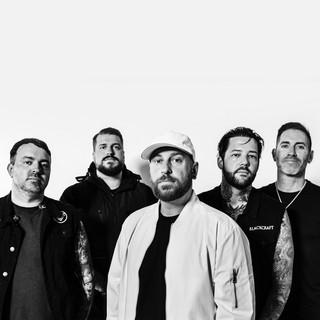
A band whose survival story is inseparable from the music's insistence on pushing forward — melodic hardcore as literal testament.
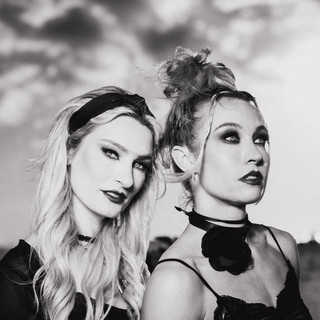
The Pretty Wild
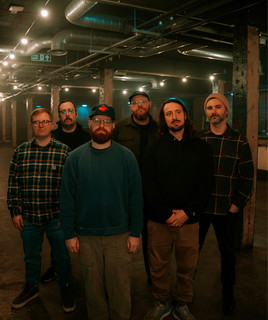
Pop-punk that grew up in public — suburban specifics rendered with novelistic detail, Dan Campbell narrating adulthood in real time.
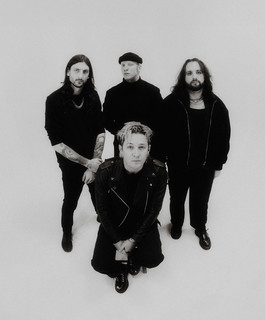
Phoenix metalcore fronted by Telle Smith, alternating clean choruses with breakdowns and drifting toward electronics as the years pass.
Melbourne five-piece who traded straight metalcore for something sleeker and more atmospheric — riffs built around croon-to-scream dynamics.
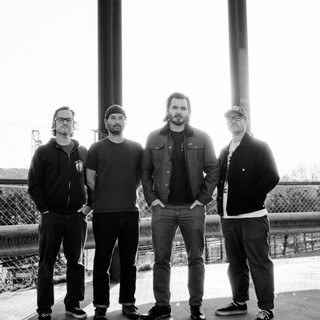
Post-hardcore's elder statesmen — heavy, literate, endlessly evolving, and never once coasting on the back catalog.
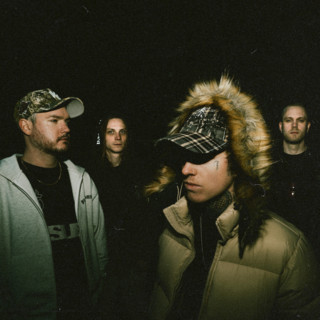
Swedish hardcore channelling panic-attack lyricism into riffs that feel physically claustrophobic — short songs, total impact.
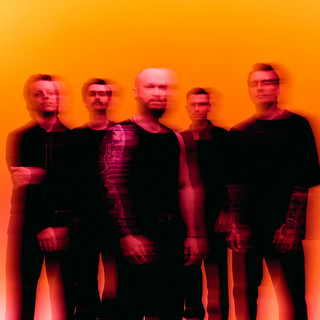
Melodic metalcore that leans hard on the clean-sung hook, carrying a decade-plus of hard-won catharsis — brotherhood themes made literal.
Knoxville deathcore that grew genuinely melodic without losing any of the weight underneath — Phil Bozeman's range now the band's superpower.
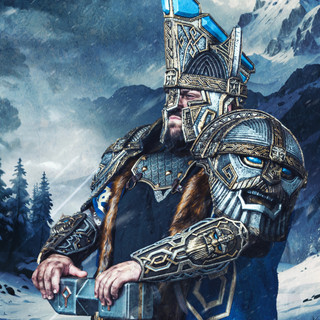
Italian power metal built around dwarven mythology and marching, hammer-swinging choruses — folk melody welded to symphonic heft.
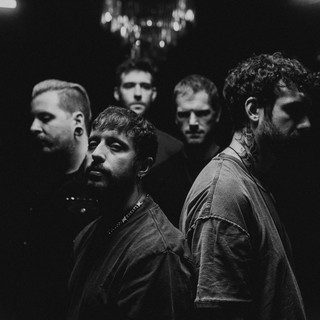
Wind Walkers
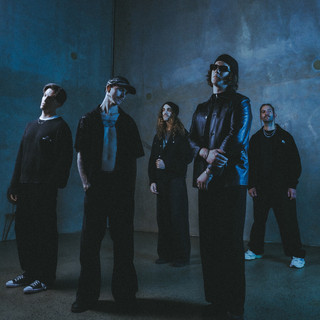
Melbourne metalcore with a heavy pop instinct, pairing electronic sheen and clean hooks against breakdowns.
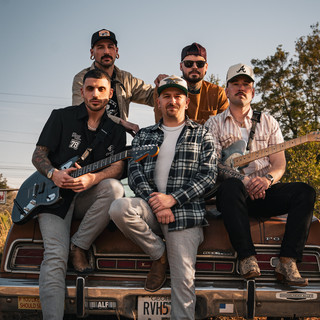
Atlanta post-hardcore act from the early-2010s scene wave, built on traded clean and screamed vocals over electronic-tinged breakdowns.
The headliners
My Chemical Romance — Concept-album maximalists who treated emo as opera — marching-band drums, guitar harmonies, and a costume for every era, theatrical to the last note. Opened Thursday, one of three Danny Wimmer festivals they headlined in 2026.
Shinedown — Brent Smith's enormous voice fronting two decades of rock-radio anthems, delivered with genuine showmanship rather than autopilot — 'Simple Man' cover included.
Bring Me the Horizon — Playing debut Count Your Blessings front to back for its 20th — a return to the feral deathcore they spent the next two decades outgrowing.
Tool — Prog-metal's cathedral builders — polyrhythms, lasers, and total audience surrender, Danny Carey's drumming alone worth the pilgrimage. Closed the festival with odd time signatures, twenty-minute arcs, and a strict no-phones visual show.
Up-and-comers to catch early
200 Stab Wounds — Cleveland's contribution to the death-metal revival: filthy, mid-paced, built entirely around the riff.
Dayseeker — Rory Rodriguez's falsetto turned a metalcore band into something closer to devastating synth-pop with guitars.
Holding Absence — Welsh post-hardcore aiming squarely at catharsis: soaring, sincere, allergic to irony.
Catch Your Breath — Texas metalcore with a big melodic centre; the kind of band that grows a stage size every cycle.
Bodysnatcher — Florida beatdown-deathcore with a genuinely nasty low end and nothing resembling a melody.
Magnolia Park — Orlando pop-punk pulling freely from hip-hop and hyperpop, refusing to pick a lane.
Other acts worth planning around
Behemoth — Blackened death metal staged like liturgy, and the anchor of an unusually serious Altar Stage.
Napalm Death — The band that essentially invented grindcore, still politically ferocious four decades on.
L.S. Dunes — The supergroup that turned out to be a real band: Thursday, Circa Survive, Coheed and MCR members writing new material.
- Flyleaf with Lacey Sturm — A reunion set with the original vocalist, billed as such on the poster.
Coheed and Cambria — Decades of sci-fi concept records in Claudio Sanchez's unmistakable upper register.
The lineup by day
Thursday May 14 through Sunday May 17, with all five stages running each day.
Thursday lineup (May 14)
My Chemical Romance, Pierce the Veil, All Time Low, Coheed and Cambria, L.S. Dunes, Hawthorne Heights + 30 more
Friday lineup (May 15)
Shinedown, Staind, Halestorm, Stone Temple Pilots, Daughtry, Hinder + 31 more
Saturday lineup (May 16)
Bring Me the Horizon, Good Charlotte, Motionless in White, Black Veil Brides, The Plot in You, Palaye Royale + 30 more
Sunday lineup (May 17)
Tool, Godsmack, Lamb of God, Black Label Society, Avatar, P.O.D. + 30 more
Sonic Temple 2026 lineup FAQ
Who headlined Sonic Temple 2026?
My Chemical Romance headlined Thursday, Shinedown Friday, Bring Me the Horizon Saturday, and Tool closed the festival on Sunday.
When and where was Sonic Temple 2026?
May 14–17, 2026, at Historic Crew Stadium in Columbus, Ohio.
How many bands played Sonic Temple 2026?
145 acts across five stages: Temple, Cathedral, Citadel, Sanctuary and Altar.
Is Sonic Temple a metal festival or a rock festival?
Both, and they are deliberately kept somewhat separate. The Temple and Cathedral stages leaned hard rock, emo and post-hardcore; the Altar Stage ran death metal, black metal and grindcore almost as its own event.
Is Sonic Temple related to Louder Than Life and Welcome to Rockville?
Yes. All three are Danny Wimmer Presents festivals, which is why the headliners and much of the undercard rotate between them across a single year.
Festivals like Sonic Temple
More festivals
Festivals in May 2026 →Music festivals in Ohio →More Metal festivals →More Rock festivals →More Hardcore festivals →Full festival calendar →